According to an economist, even if the trade court intervenes, Trump’s tariffs will continue to impact consumers negatively.
Economist Warns: Trump’s Tariffs Will Keep Hurting Consumers, Even if Trade Court Steps In
Category Classification: Personal Finance
Uncertain Tariff Terrain: What Lies Ahead for Consumers
This week, a series of court rulings have thrown a cloud of uncertainty over many tariffs imposed during President Trump's administration. Even if certain tariffs that target specific countries are struck down, consumers are still expected to feel the pinch, with estimates suggesting average households could face nearly $1,000 in costs each year due to remaining tariffs, especially on essentials like steel and automobiles. This insight comes from the latest analysis by the Yale Budget Lab.
A Tax on Imports: Who Really Pays the Price?
As it stands, tariffs act as a tax on imported goods, primarily hitting U.S. businesses that bring these products into the country. Many of these businesses are likely to transfer at least part of this financial burden onto consumers. However, Ernie Tedeschi, the director of economics at Yale Budget Lab and a former chief economist for the White House Council of Economic Advisers, believes that the financial strain from existing tariffs pales in comparison to what could occur if the country-specific tariffs remain in force.
The Court's Decision: A Turning Point?
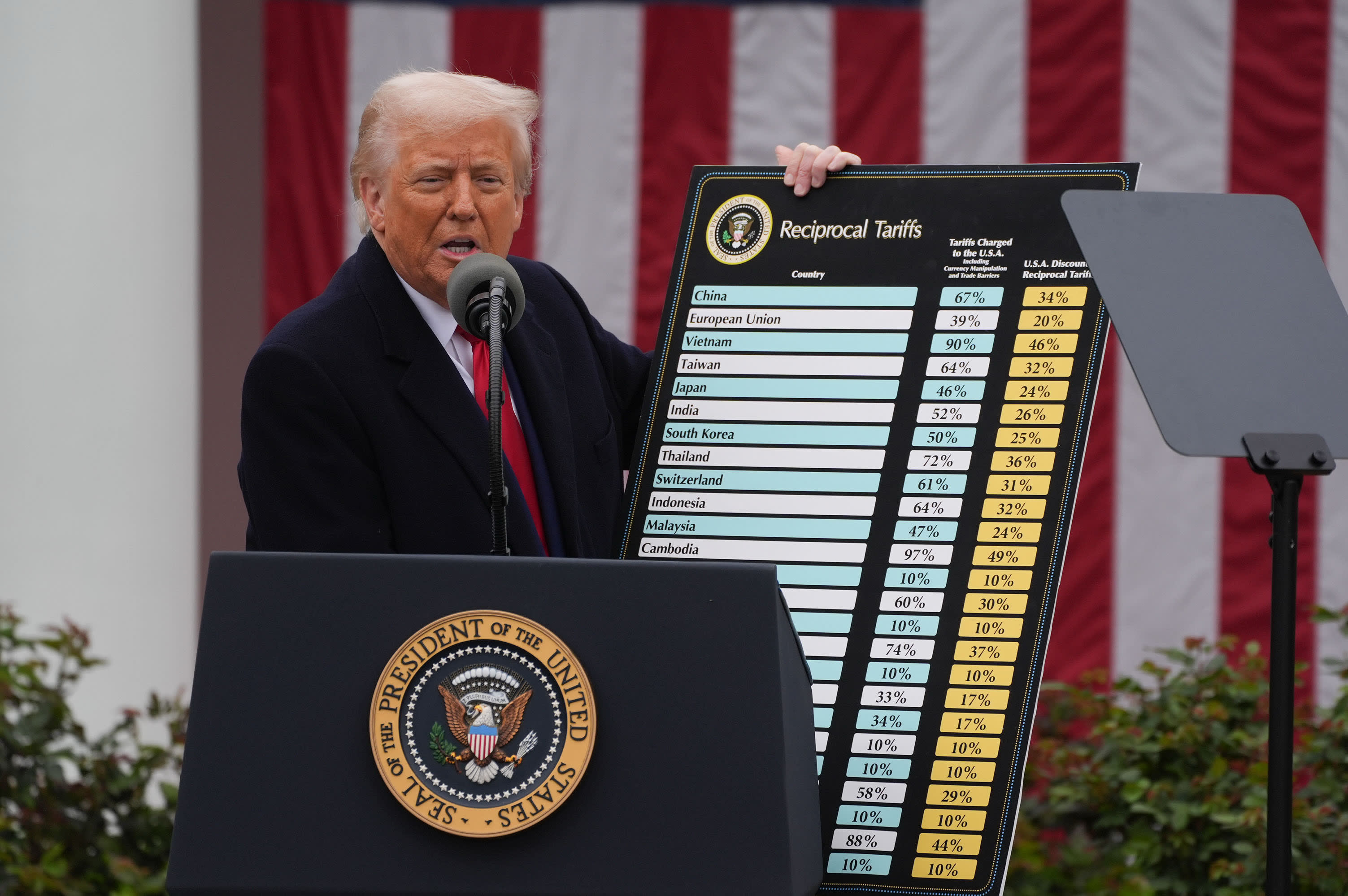
Recently, the U.S. Court of International Trade halted the country-specific tariffs, which included a blanket 10% rate on goods from most nations and additional charges on Canada, Mexico, and China, linked to alleged fentanyl trafficking. The court's ruling concluded that Trump overstepped his bounds by utilizing the International Emergency Economic Powers Act to enforce these tariffs. However, an appellate court has temporarily paused this ruling as it considers the case further.
Impact on Consumers: What Can We Expect?
Despite the setbacks for certain tariffs, 25% duties on steel, aluminum, automobiles, and parts remain effective, as identified by economists Jennifer McKeown and Stephen Brown. These tariffs were established using alternative legal frameworks, and if upheld, they could cost households an estimated $950 in purchasing power by 2025, representing a 0.6% uptick in consumer prices.
Potential Savings: A Silver Lining in Legal Decisions
On a more optimistic note, if the initial court ruling stands, households could save more than $1,800 this year alone. Tedeschi highlights that without the country-specific tariffs, projected losses would reach around $2,800 in 2025, causing a 1.7% rise in consumer prices this year.
Tariff Impact on Everyday Life
According to McKeown and Brown, this ruling might reduce the effective tariff rate to 6.5% from the previous 15%. When it comes to car purchases, Tedeschi warns that car prices could surge by approximately 8% in the short term and 5% in the long term. Furthermore, the implications of steel and aluminum tariffs extend beyond vehicles, influencing the costs of various consumer products, including home-building materials and household appliances.
Looking Ahead: Is This the End of the Tariff Saga?
The path forward for Trump’s country-specific tariffs may eventually rest in the hands of the Supreme Court, a scenario that could unfold over several months. In light of this ruling, economists caution that we are unlikely to see the end of the tariff conflict. The Trump administration has hinted at imposing additional tariffs on a range of products, including pharmaceuticals, semiconductors, copper, and lumber.
In summary, yesterday's groundbreaking court decision marks a significant chapter in the story of U.S. tariffs, but, as Tedeschi observes, it is far from the conclusion of this ongoing saga.