Experts suggest that this summer, vacationers are adopting a more budget-conscious strategy for their getaways.
Budget-Friendly Escapes: How Travelers Are Crafting Memorable Summers Without Breaking the Bank
Category Classification: Personal Finance

Summer Travel Trends: A Shift Toward Budget-Conscious Adventures
This past spring, excitement filled the air as travelers began planning their summer getaways. According to a recent Deloitte report, more individuals were looking forward to vacationing compared to the previous year, and travel budgets were reflecting this newfound enthusiasm.
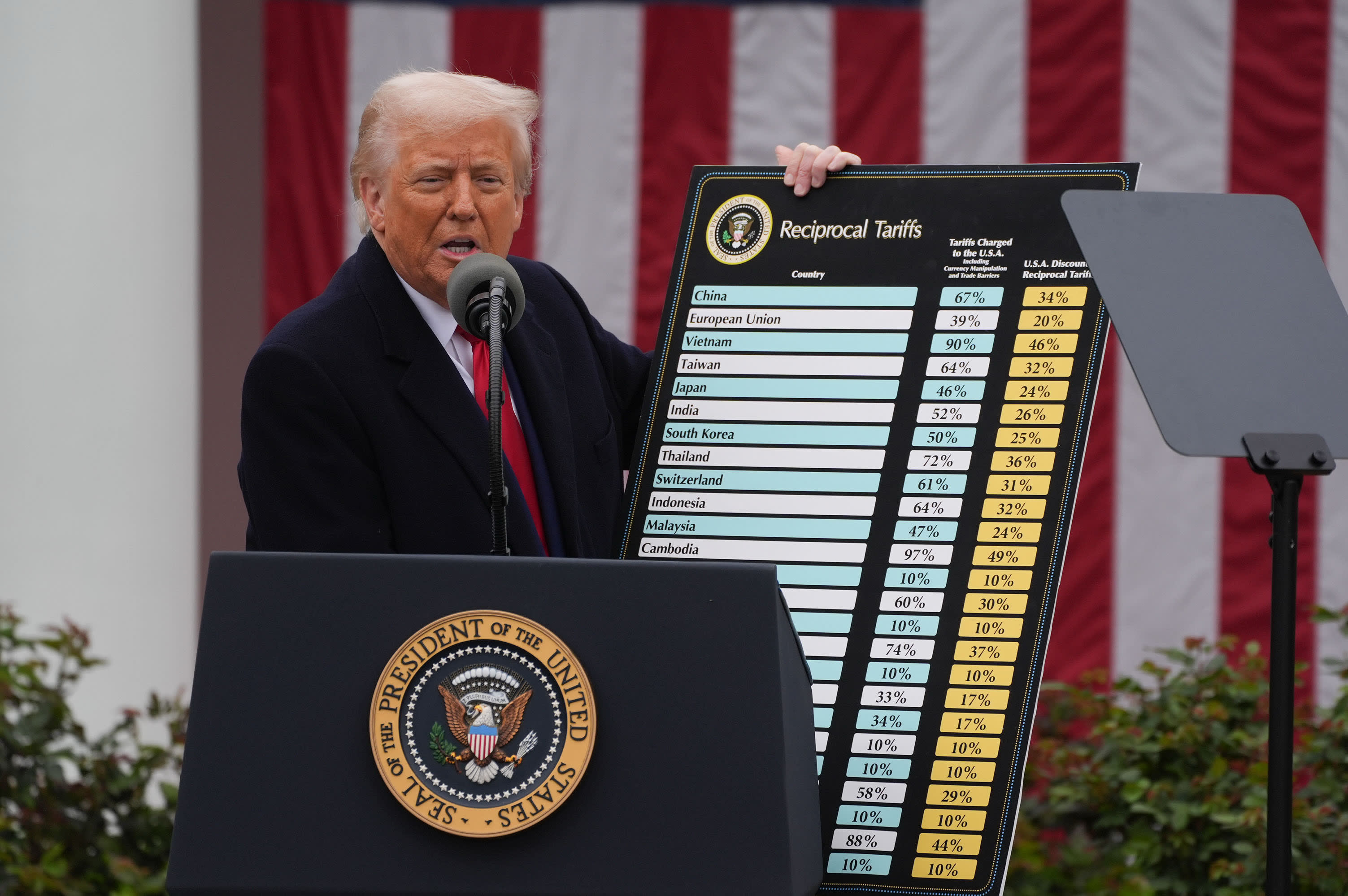
However, as the situation evolved—triggered by President Donald Trump's announcement of sweeping tariffs and a sudden downturn in the stock market—some vacationers reconsidered their financial plans. A follow-up survey revealed a significant shift in spending intentions.
Shifting Vacation Plans Amid Economic Uncertainty
Deloitte's findings indicate that approximately 53% of respondents are now planning leisurely vacations this summer, a slight increase from 48% in 2024. The report is grounded in two separate surveys: one conducted in late March and early April, and another shortly after. The first survey engaged 1,794 travelers alongside 2,132 non-travelers, while the latter focused on 1,064 travelers and 880 non-travelers.
Initially, participants indicated they were willing to allocate an average of $4,967 for summer travel, marking a robust 21% increase from the previous year. However, the second survey showed a more conservative outlook, with expected travel spending dropping to about $4,606, reflecting a mere 13% increase.
Budget Considerations for Extended Trips
When examining the budgets for their longest trip this summer, respondents originally planned an average expenditure of $3,987, signaling a 13% rise from 2024. Yet this projected budget saw a decrease to $3,471 in the latest survey, illustrating an increase of under 1% compared to last year.
Deloitte initiated the second survey due to noticeable “softness” in consumer spending across different sectors, according to Kate Ferrara, who leads the transportation, hospitality, and services sector at Deloitte. “We still foresee a vibrant summer travel season, albeit with a more cautious financial approach,” Ferrara added.
Declining Travel Expenses: A Silver Lining
On the brighter side, travel costs have seen a downward trend, easing the financial burden on travelers. NerdWallet's recent report highlights that hotel prices have decreased by 2.4% year-on-year. Similarly, car rental fees have dipped by 2.1% and airfares are down a notable 7.9%.
This summer, the average cost of a round-trip domestic flight rests at around $265, slightly down from $274 in 2024 and the lowest recorded in three years. For international travelers, the fare for a round-trip ticket from the U.S. to Europe—the top international destination—averages $850 this summer, an 8% decline from last year.
Inflation’s Impact on Travel Spending
Despite the decrease in travel prices, inflation continues to affect overall spending, leaving consumers with less discretionary income for non-essential activities such as vacations, Ferrara pointed out. Among those who reduced their summer travel budgets, 34% plan to limit their spending on experiences like dining and excursions. Additionally, 30% intend to stay with friends or family to avoid accommodation costs, and 21% prefer driving over flying.
Strategies for Economical Travel
Experts recommend several strategies for those seeking to save money this summer. One key strategy is to remain flexible with travel plans, including departure dates, choice of destination, and modes of transportation. “The core of our money-saving strategies for this summer revolves around flexibility,” said Hayley Berg, Hopper's lead economist.
Travel costs tend to spike on federal holiday weekends such as the Fourth of July and Labor Day, with prices potentially reaching 34% higher than on other weekends. For smarter savings, consider timing your trips for the end of summer in late August or early September, when travel demands decrease as school resumes and work schedules normalize.
Additionally, flying midweek can offer substantial savings—up to 20% off airfare, according to latest reports. Traveling on a Tuesday or Wednesday can save vacationers around $67 on a domestic round trip and more than $100 for international excursions to Europe or Asia.