As an active hurricane season is anticipated, consider reviewing these three aspects of your home insurance policy.
Prepare for the Storm: Key Factors to Examine in Your Home Insurance Policy This Hurricane Season
Category Classification: Personal Finance
Prepare for the Storm: Important Insurance Tips for Hurricane Season
The hurricane season is here, and predictions indicate it won’t be quiet. As the winds start to howl, it’s crucial to review your homeowners insurance policy to confirm you have the appropriate coverage. Experts recommend making any necessary updates now to avoid facing challenges when a storm hits.
The National Oceanic and Atmospheric Administration (NOAA) foresees a notable uptick in activity this year, estimating a 60% chance of higher-than-normal hurricane occurrences between June 1 and November 30. Their forecast includes 13 to 19 named storms with winds reaching at least 39 mph, and an alarming prediction of 6 to 10 hurricanes, among which 3 to 5 could be major storms of Category 3 and above.
Last season proved costly, with AccuWeather estimating total damages and economic losses from hurricanes at around $500 billion, marking it as one of the most financially devastating seasons on record. "Taking proactive steps is vital; plan ahead and gather emergency supplies,” emphasizes Ken Graham, NOAA’s National Weather Service director. This includes reviewing your insurance coverage, as highlighted by Charles Nyce, an expert in risk management and insurance at Florida State University.
Key Coverage Checkpoints for Hurricane Readiness
Before the storms hit, here are three essential areas to focus on regarding your home insurance policy:
1. Evaluate Your Policy Limits
Your policy limits dictate how much your insurer will pay for damages. Make sure these limits are adequate to cover your home’s rebuilding costs. For instance, if your home spans 2,000 square feet and the local construction costs are $250 per square foot, your limit should align with at least $500,000. Keep in mind that repairs and rebuilding expenses have climbed significantly in recent years, with construction labor costs increasing by over 36%, as reported by the American Property Casualty Insurance Association (APCIA).
2. Reassess Your Deductibles
Take a closer look at your deductibles—the amount you pay out of pocket for a claim. A higher deductible might lower your premium, but ensure you're financially prepared for the upfront cost if a hurricane strikes. It's vital to know that wind deductibles, which apply during hurricanes, can be substantially higher than standard deductibles. For example, a 2% deductible on a $500,000 house could equate to $10,000 in out-of-pocket expenses. Caution is important here; consider the implications before selecting higher limits.
3. Don’t Overlook Flood Insurance
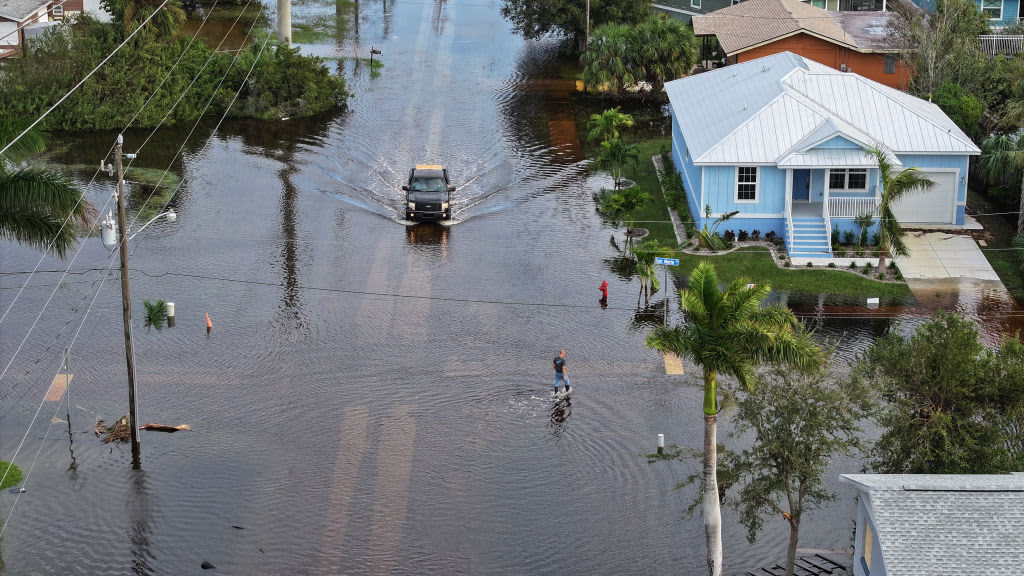
Standard homeowners insurance typically doesn’t cover flood damage. Given that floods are responsible for 90% of U.S. disaster losses annually, it’s wise to secure a dedicated flood insurance policy from the National Flood Insurance Program (NFIP) or a private insurer. Be proactive—purchasing flood coverage last minute is ineffective due to a 30-day waiting period before coverage begins. Ensure you understand the policy’s limits, as the NFIP usually covers up to $250,000 in property damage. If your home is susceptible to severe flooding, consult your agent about additional flood insurance options.
Hurricane season can bring significant damage, but you can mitigate your risks. By taking steps now to review your insurance, especially focusing on policy limits, deductibles, and flood coverage, you will be better prepared to weather any storm that comes your way.