Discover the locations where older adults experience the longest journeys to reach their nearest Social Security offices.
Explore the Remote Destinations Where Seniors Face the Toughest Treks to Access Social Security Services.
Category Classification: Personal Finance
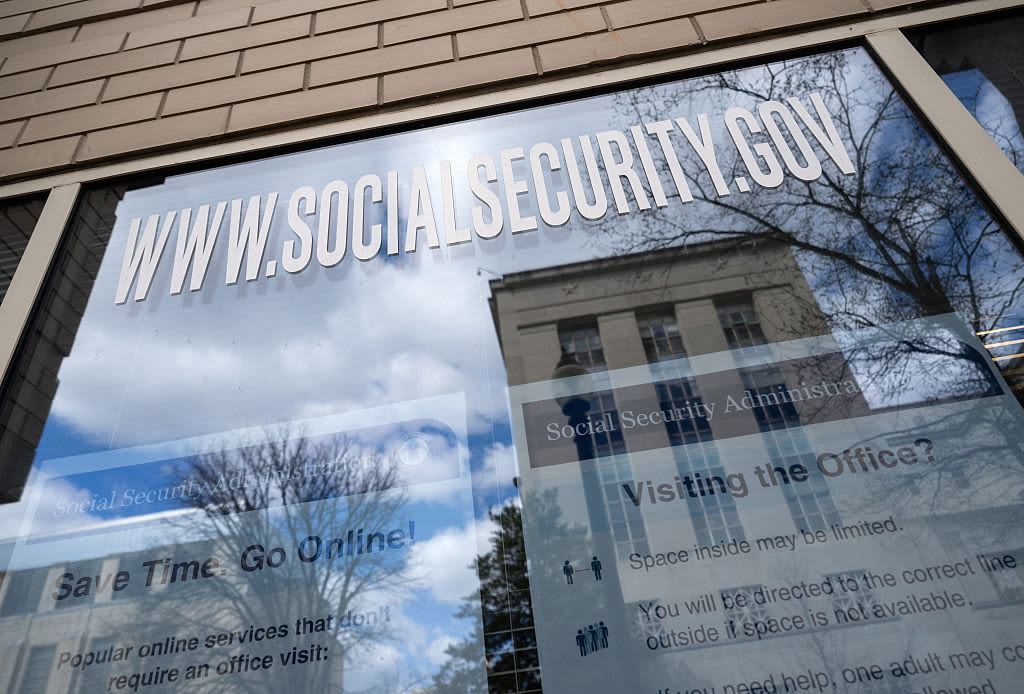
New Policy Forces Millions of Seniors to Make In-Person Trips for Direct Deposit Changes
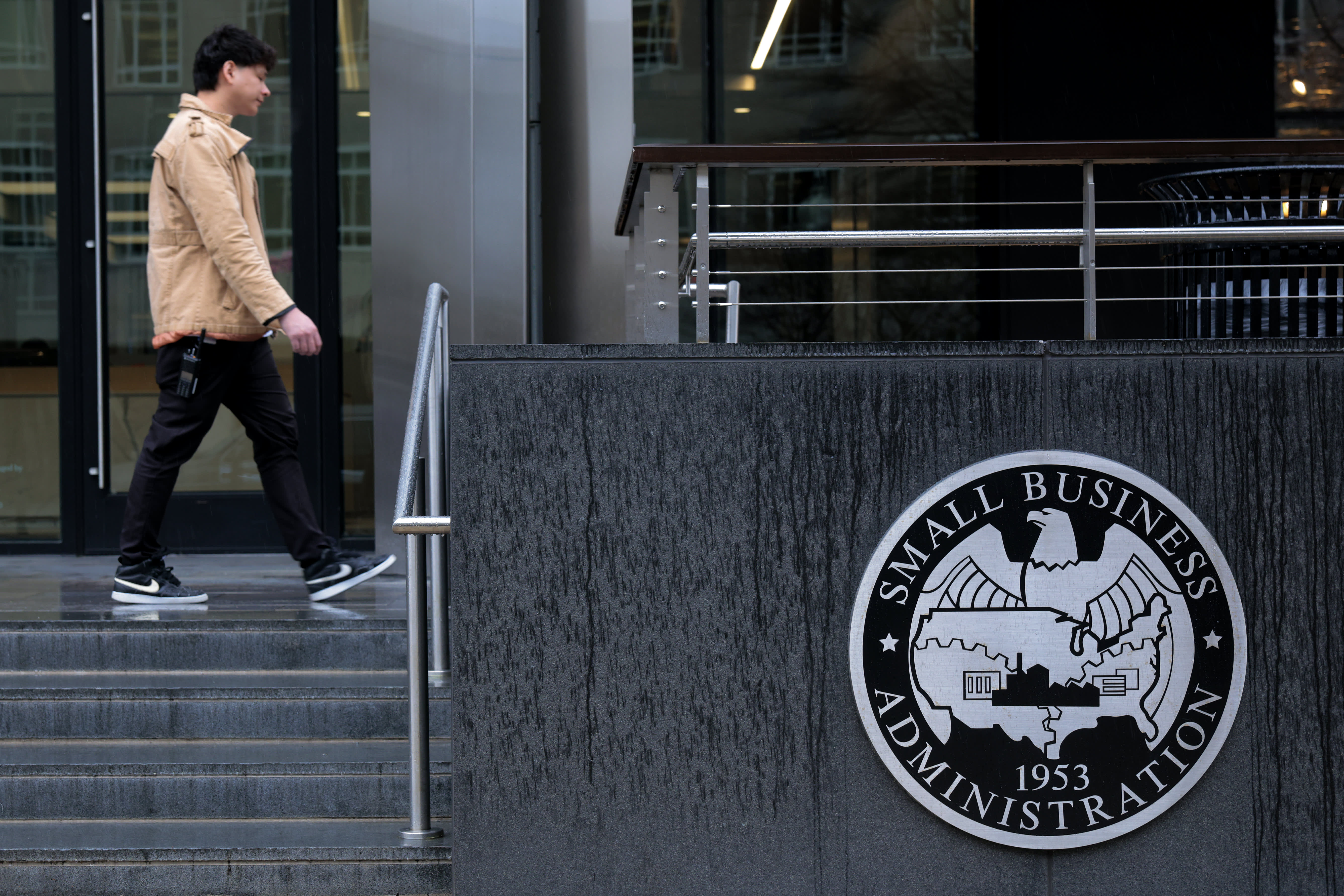
A fresh directive from the Social Security Administration (SSA) is set to impact nearly 2 million more beneficiaries each year, mandating them to physically visit agency offices if they wish to alter their direct deposit details. This initiative is a significant shift, as trips to these offices can be anything but quick, especially for the older population. As highlighted by recent research from the Center on Budget and Policy Priorities, almost one-quarter of seniors reside over an hour away from their nearest Social Security office, and half have to navigate at least 33 minutes of driving time—without traffic—to reach it.
Why This Change? A Focus on Fraud Prevention
The SSA asserts that the updated direct deposit regulations are aimed at combating fraud, a concern that has escalated in recent years. With the agency collaborating closely with the previous administration's Department of Government Efficiency, reports of direct deposit fraud have surged, prompting a strong response. In early 2023, the agency noted a marked uptick in fraudulent activity, leading to increased protective measures. Following enhanced protocols introduced in March, the SSA flagged over 20,000 Social Security numbers for sketchy deposit requests during the span of a month, with a notable percentage of flagged requests never being resubmitted. These actions arguably prevented almost $20 million in loss due to fraud attempts.
Advocacy Groups Warn of Unintended Consequences
Despite the SSA's intentions, critics argue that the new requirements may be an excessive reaction to a fraction of actual fraud cases. Statistics suggest that merely 2,000 beneficiaries experienced changes in their direct deposits due to fraud in the past year—translating to only around 800 victims of fraud via phone calls. Kathleen Romig, from the Center on Budget and Policy Priorities, emphasizes that forcing 2 million individuals to visit offices for changes seems disproportionate to the actual threats posed. Making matters more complex, those unable to use online platforms must visit offices in person, creating immense barriers for seniors and disabled individuals who may lack internet access or transportation options.
The Burden of Travel for Vulnerable Seniors
According to the analysis, the requirement for in-person verification could drain over 1 million hours of travel time annually, a burden particularly heavy for seniors who often face mobility challenges. Approximately 6 million older Americans don't drive, and around 8 million live with disabilities that complicate travel. In fact, in 31 states, more than a quarter of seniors must endure travel times of over an hour to reach their local Social Security office, with some states seeing this figure soar to over 40%.
Delays and Distress: The Appointment Predicament
With the SSA currently undergoing a reduction in its workforce by around 7,000 positions, long wait times for appointments are expected to escalate. Presently, only 43% of individuals can secure appointments within a 28-day timeframe. Although the SSA proposed tighter restrictions on phone transactions, feedback from organizations like AARP led to a modification of this policy, ultimately only affecting direct deposit changes while preserving other phone-based services. This could leave many beneficiaries feeling stranded and frustrated amidst the agency's ongoing attempts to tighten its measures against fraud.