House Republicans approved massive tax reductions. What alterations could Trump's significant legislation undergo in the Senate?
House GOP Greenlights Sweeping Tax Cuts: How Will Trump's Landmark Bill Transform in the Senate?
Category Classification: Personal Finance
House Republicans Push Forward with Ambitious Tax and Spending Plan
In a significant legislative move, House Republicans have successfully passed a monumental tax and spending package worth trillions of dollars, closely aligning with several key initiatives put forth by former President Donald Trump. Following numerous discussions, all eyes are now on the Senate, where GOP leaders are eager to finalize this extensive legislation before the Independence Day celebrations.
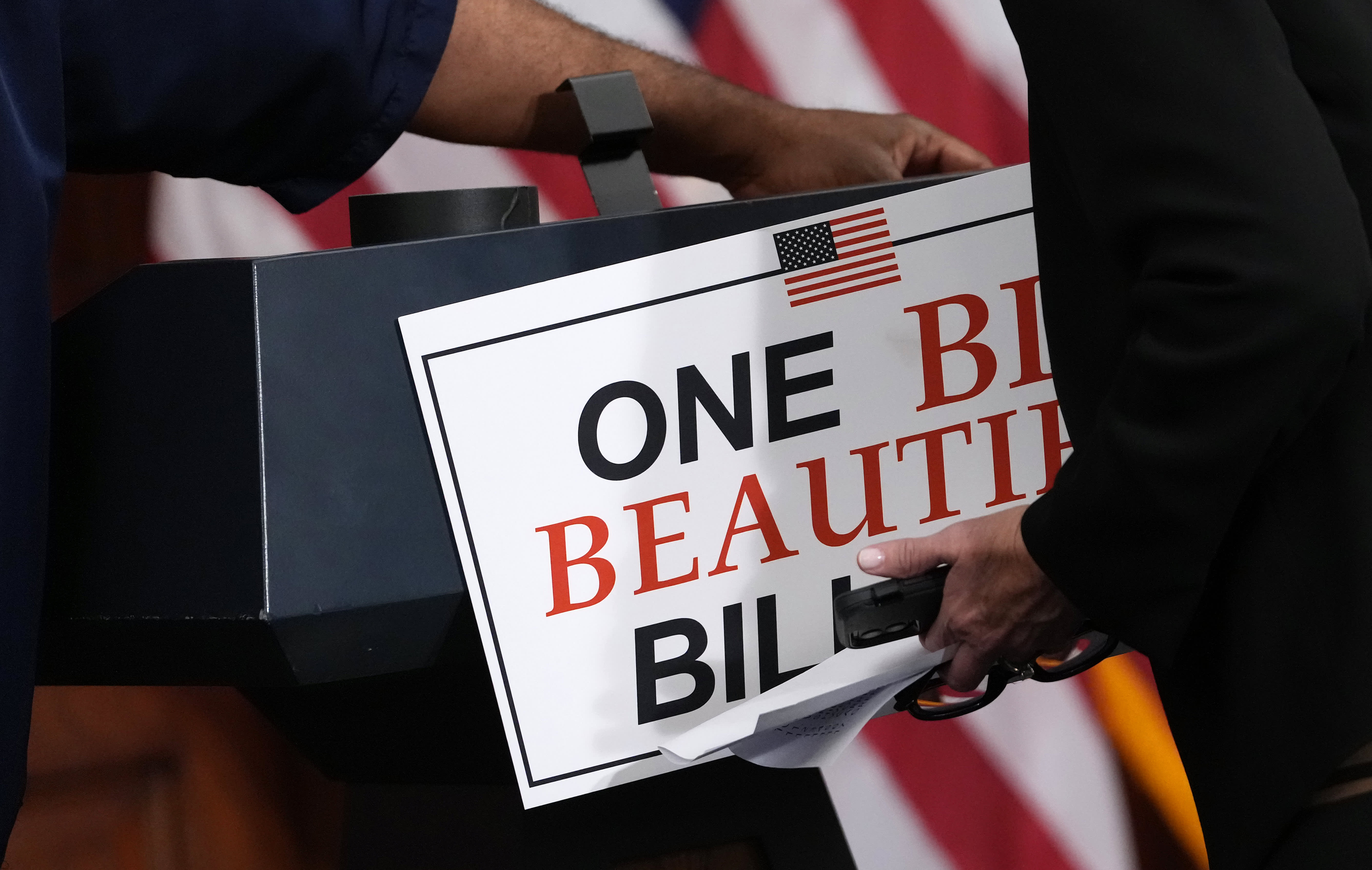
A Look at the "One Big Beautiful Bill Act"
The House’s proposed legislation, dubbed the "One Big Beautiful Bill Act," looks to cement Trump's 2017 tax cuts into law permanently. It also introduces additional tax incentives aimed at various demographics, including those working for tips, overtime compensation, and senior citizens, among others. However, this ambitious plan also entails significant reductions in funding for programs that assist low-income households, such as Medicaid and the Supplemental Nutrition Assistance Program (SNAP), previously known as food stamps.
Senate Changes on the Horizon
Experts are preparing for a myriad of amendments as the Senate takes its turn with the bill. Howard Gleckman, a prominent figure at the Urban-Brookings Tax Policy Center, suggests that while the core of the Senate proposal may not deviate drastically from the House version, there will undoubtedly be intense discussions regarding the Medicaid cuts and other potential modifications.
Fiscal Responsibility in Question
With Republicans controlling Congress, they are leveraging a legislative strategy known as “budget reconciliation.” This process circumvents the Senate filibuster, requiring only a simple majority to pass. However, some Republican senators have voiced concerns regarding the overall financial implications of the House-endorsed bill. For instance, Senator Ron Johnson from Wisconsin highlighted on CNN's 'State of the Union' that he is prepared to hinder progress unless genuine commitments to spending cuts and deficit reduction are made. Initial estimates indicated the earlier House proposal could lead to an increase in the deficit by approximately $3.8 trillion over the next decade, although updated figures are still pending from the Congressional Budget Office.
Controversial SALT Deduction Debate
Among the many contentious debates, the current $10,000 cap on the federal deduction for state and local taxes—known as "SALT"—stands out. Set to expire in 2025, this limitation has been a hot topic for representatives from higher-tax states like New York and California. Before the implementation of the Tax Cuts and Jobs Act (TCJA) in 2017, tax filers could deduct unlimited amounts of state and local taxes. Following extensive discussion, House Republicans agreed to propose a $40,000 SALT cap, which would take effect in 2025 and gradually phase out for incomes exceeding $500,000. However, experts anticipate that this figure may be reduced during the Senate negotiations.
Expanding the Child Tax Credit
Additionally, the Senate could potentially enhance the child tax credit, a move that advocates suggest would provide more support for families. The House bill currently aims to make the maximum $2,000 credit, established under the TCJA, a permanent feature—though it will revert to $1,000 after 2025. The proposed legislation would elevate the cap to $2,500 from 2025 through 2028, before returning to the $2,000 standard, adjusted for inflation thereafter. Some senators are pushing for even greater tax breaks, reflecting a growing recognition of the need for added support to families in light of the House plan catering primarily to higher-income earners. Gleckman notes that this will be an intriguing aspect to follow as the Senate deliberates.