Imaginative calculations conceal the effect of tax obligations on national debt, claims GOP representative: Understanding the implications of the deficit for your finances.
Unmasking the Mirage: How Creative Accounting Distorts Tax Impacts on National Debt – A GOP Representative’s Take on Your Financial Future
Category Classification: Personal Finance
Republicans' Tax Cuts: A Looming Financial Storm
The ambitious tax cuts that House Republicans ushered through in May are poised to swell the national debt by trillions—a figure that could derail the legislation as the Senate takes it under consideration this week. According to the Committee for a Responsible Federal Budget, if implemented as is, this bill could inflate the national debt by around $3.1 trillion over the next decade, bringing it up to a staggering $53 trillion. The Penn Wharton Budget Model estimates the potential increase even higher at about $3.8 trillion when factoring in interest and economic repercussions.
Concerns from Within the Party
Rep. Thomas Massie from Kentucky expressed his reservations by being one of just two Republicans to oppose the House's plan, labeling it a “debt bomb.” He highlighted that it significantly amplifies the deficit in the short term. “Congress can play around with numbers,” Massie stated during a speech on May 22, “but bond investors are not fooled.” A few Republican Senators also shared their worries regarding the potential escalation in the nation’s debt and the overall implications of the legislation.
The Deceptive Impact of Debt Levels
Although the average American might dismiss the growing national debt, economists argue it holds substantial consequences for everyday finances. Tim Quinlan, a senior economist at Wells Fargo, remarked, “Most consumers don’t even think about it. They believe it doesn’t concern them, but the reality is quite the opposite.”
Skyrocketing Loan Costs Ahead
With a ballooning national debt, consumers can expect to face significantly higher costs when financing homes, vehicles, and other purchases, cautioned Mark Zandi, chief economist at Moody's. “The link to consumers, businesspeople, and investors is crucial here: an increased debt burden means rising interest rates,” he explained.
Tax Cuts and Safety-Net Budget Cuts
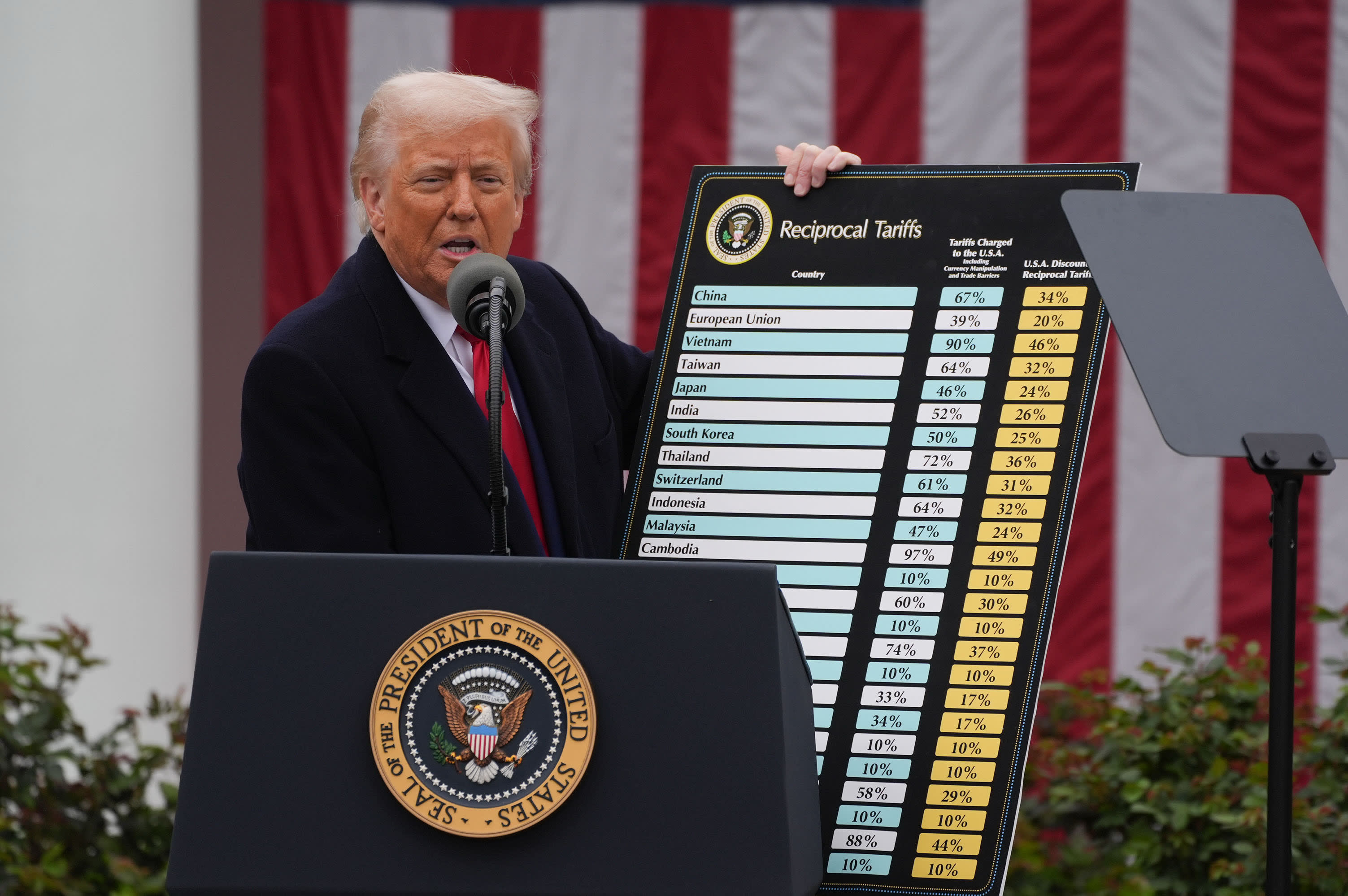
The proposed legislation aims to lower taxes by approximately $4 trillion, primarily benefiting the wealthy. However, these tax reductions are partly funded by deep cuts to essential safety-net programs like Medicaid and food assistance, which support lower-income families. Proponents of the bill, including some within the Republican party and government officials, contend that President Trump's tariff strategies would mitigate a substantial portion of the tax cuts. Yet, many economists caution that tariffs are an unpredictable source of revenue, subject to changes in political leadership and judicial rulings.
Treasury Yields and Consumer Borrowing
In the end, rising interest rates for consumers are closely tied to perceptions of the nation’s debt and their influence on U.S. Treasury bonds. Interest rates for common forms of consumer loans, such as mortgages and auto loans, are heavily influenced by the yields of U.S. Treasury bonds, particularly the 10-year variety. Treasury yields fluctuate in response to market demand, making them crucial for the government’s financing needs as it struggles with an annual budget deficit.
Potential Impact on Investor Confidence
If the Republican bill—dubbed the "One Big Beautiful Bill Act"—results in a tremendous rise in the national debt, economists warn that it could unsettle investors, potentially decreasing the demand for Treasury bonds. Investors might demand higher interest rates as compensation for the perceived risks associated with future debt repayment capabilities.
The Scary Reality of Increasing Debt
Moody's lowered the U.S. sovereign credit rating in May due to concerns over the ballooning federal budget deficit, indicating elevated risks for investors. Following that news, bond yields surged. Zandi noted a general rule where an increase in the debt-to-GDP ratio by one percentage point raises the 10-year Treasury yield by approximately 0.02 percentage points. So, should the ratio rise from its current mark of 100% to 130%, expect a noticeable bump in yields, escalating costs for consumers.
The Ripple Effects for Bond Investors
It's not just consumers who feel the pinch; certain investors could also suffer as higher Treasury yields lead to a decrease in bond prices. “If the market interest rate has climbed, your bond’s value will have decreased,” Chao pointed out. The long-term Treasury bond market has experienced increased volatility recently, prompting experts to recommend more stable, short-term bonds.
A Growing Cost Burden
Financing costs for consumers have doubled in the last few years, according to Quinlan from Wells Fargo. The average yield for 10-year Treasuries has skyrocketed from about 2.1% (2012-2022) to nearly 4.1% currently. While U.S. debt levels undeniably affect Treasury investors and yields, they are not the sole variables at play. Investor reactions, like those seen after Trump introduced a series of tariffs, have pushed yields higher as trust in the stability of U.S. assets wanes.
The Impending Debt Crisis
Absent immediate measures, economists predict the debt burden will continue to rise. Even without any new legislation, the debt-to-GDP ratio could reach 138%. The House’s proposal, however, would only exacerbate the issue, acting as “gasoline on the fire,” as Chao aptly puts it. “It adds fuel to the existing challenges, and this is why the bond market isn't responding favorably,” he concluded.