The potential impact of the House GOP megabill: Millions of Americans facing loss of health coverage
House GOP's Mega Legislation: A Looming Crisis for Millions of Americans' Health Insurance
Category Classification: Personal Finance
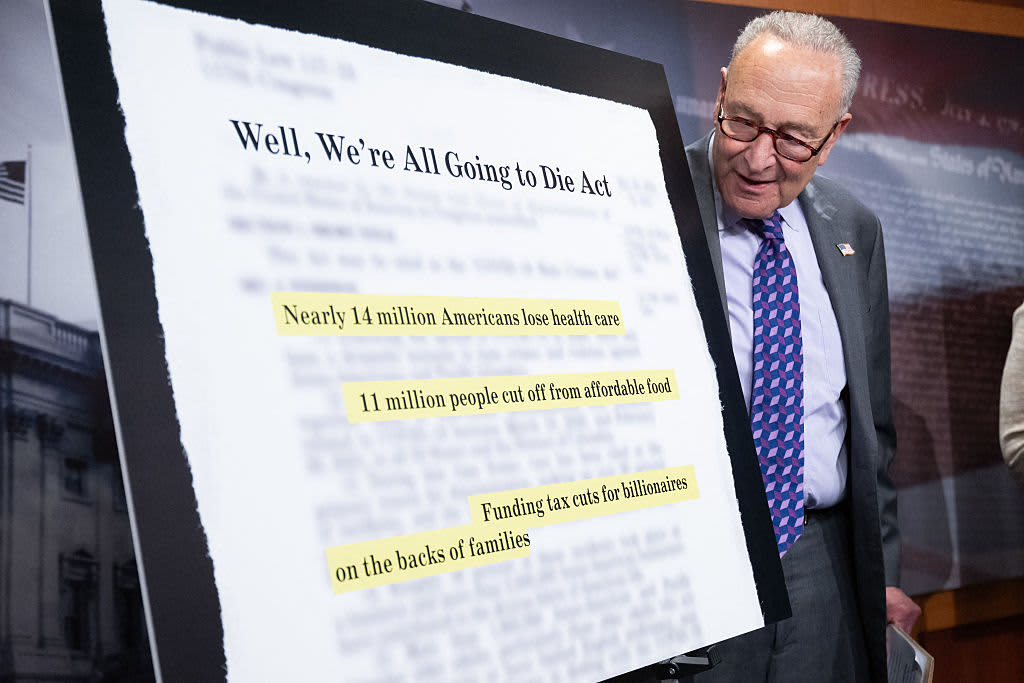
Health Care at Risk: The Knock-On Effects of the House Tax Bill
Experts are alarmed as the House's proposed tax and spending legislation threatens to strip millions of Americans of their health insurance. This bill, driven by priorities from former President Donald Trump including nearly $4 trillion in tax cuts, proposes substantial cuts to crucial programs like Medicaid and the Affordable Care Act.
The Impact: Millions Might Lose Coverage
The Congressional Budget Office (CBO), an independent federal agency, estimates that if the bill passes in its current form, around 11 million individuals could find themselves without health care coverage. The situation is further exacerbated as about 4 million others may lose insurance due to the expiration of subsidies under the Affordable Care Act, which the bill does not plan to extend. The result is a significant rise in the number of uninsured, stemming from greater access barriers, increased insurance costs, and outright denials of coverage for certain groups, such as legal immigrants.
The “One Big Beautiful Bill Act”: What Lies Ahead?
Dubbed the “One Big Beautiful Bill Act,” this legislation is still under scrutiny in the Senate, where a faction of Republican senators is hesitant to support cuts to Medicaid. These healthcare reductions are contentious, and their potential impact might lead to a re-evaluation of the bill to garner broader support.
Navigating the National Debt: A Double-Edged Sword
The CBO predicts an increase of $2.4 trillion to the national debt over ten years as a consequence of this bill. This follows over $900 billion slashed from health care programs during the same period, highlighting a stark pivot from decades of incremental gains in health insurance availability.
Medicaid Cuts: No One is Safe
Experts warn that states will be compelled to adapt in response to the proposed $800 billion funding cut to Medicaid over the next decade. According to Allison Orris, a Medicaid policy expert, no demographic group will be insulated from these reductions. Work requirements introduced in the bill will necessitate that many individuals aged 19 to 64 prove their employment status to qualify for Medicaid, resulting in potentially severe coverage losses. The CBO projects that these changes could lead 5.2 million adults to lose Medicaid coverage.
A Financial Tightrope: State Funding Crises Loom
As states rely on provider taxes to fund Medicaid, the bill’s restrictions on these revenue sources would create serious financial challenges. States might be forced to eliminate coverage or make cuts in other areas to maintain their Medicaid programs, threatening critical services—particularly for vulnerable populations like the elderly and disabled.
Affordable Care Act Alterations: A Risky Shift
With over 24 million individuals covered through the ACA, the proposed changes threaten this vital safety net. Experts stress that cutting enhanced subsidies, expiring this year, could leave millions without affordable options. The average family of four may face an annual premium increase of $2,400 due to the loss of these subsidies alone, pushing many to forego insurance altogether because of affordability concerns.
Streamlining or Hindering Access: New Barriers Emerge
The legislation aims to sharpen eligibility criteria and simplify enrollment; however, this might backfire. Proposals like shortened enrollment periods, elimination of automatic re-enrollments, and greater verification requirements may leave millions scrambling to maintain coverage. The extra hoops could lead to significant drops in ACA enrollment, pushing more individuals into the uninsured category.
Financial Burdens: The New Subsidy Trap
Under the new provisions, households receiving subsidies may face increased repayment obligations, an aspect deemed unreasonable by many analysts. The removal of repayment caps could put undue strain on lower-income families, whose income can fluctuate significantly.
Restrictions on Immigrant Access: A Disheartening Direction
Starting in 2027, the bill would instate restrictions on subsidized health insurance for many lawfully residing immigrants, complicating access for vulnerable groups such as refugees and “Dreamers” under DACA. These changes threaten to exacerbate existing disparities in healthcare access for marginalized communities.