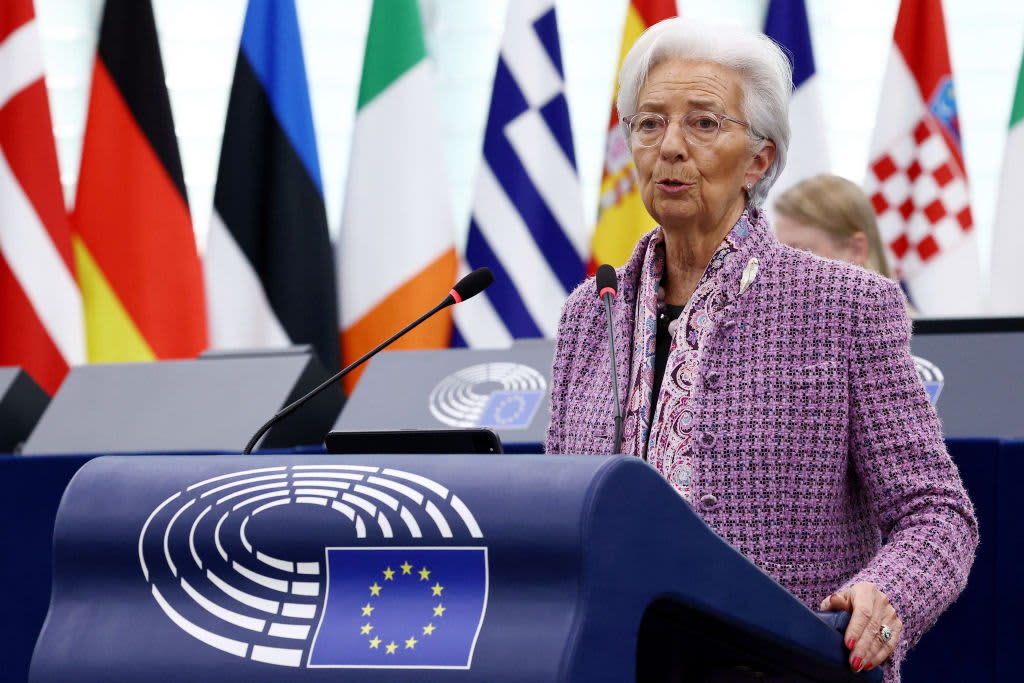
Analysts suggest that Germany's shift in fiscal policy could significantly transform its lagging economy.
Experts Warn That Germany's Fiscal Overhaul May Propel Its Economy Into Thriving New Heights
Category Classification: Fund

A New Dawn for Germany: A Bold Move for Economic Recovery
Germany stands on the brink of a transformative fiscal pivot that could inject new life into its economy and bolster European defense capabilities. But with time running short, lawmakers in Berlin must act decisively to implement these historic reforms.
A Coalition’s Breakthrough
The contentious fiscal and economic debates that plagued Germany's previous ruling coalition ultimately led to its dissolution late last year. In the midst of ongoing negotiations for a fresh governing coalition, a breakthrough seems to have been reached. Prominent political figures, including the likely future Chancellor Friedrich Merz, recently unveiled ambitious plans to overhaul Germany’s long-established fiscal framework, particularly concerning the debt brake. This reform effort aims not only to enable increased defense spending but also introduces a substantial 500 billion euro ($535 billion) fund earmarked for infrastructure development.
A Constitutional Challenge
Bringing these proposals to fruition requires amending Germany’s constitution, a feat that demands the backing of a two-thirds parliamentary majority. Given the current political dynamics, there is a viable path to achieving this—however, post-election dynamics could complicate matters significantly. Urgent actions could see constitutional adjustments voted on as soon as this week.
A Game Changer for the Economy
According to economists from Bank of America Global Research, these proposals represent a “big, bold, unexpected” shift in Germany’s outlook. They believe this package could substantially alter the trajectory of the German economy, which has been grappling with stagnation and teetering dangerously close to a technical recession for the past few years.
Hope on the Horizon
The introduction of a designated investment fund is seen as a beacon of hope for Germany's economic recovery. Economic experts suggest that increased domestic demand is likely to emerge as infrastructure projects kick off, generating jobs and stimulating growth. Additionally, enhanced defense spending could yield long-term benefits, contributing to both military and civilian production capacities, potentially exceeding NATO's spending targets.
Responses to Global Threats
Merz emphasizes the pressing need for substantial measures to fortify Germany's security in the face of global threats, advocating a “whatever it takes” approach to defense funding. While these fiscal announcements herald positive changes, other budgetary plans from the emerging coalition could temper their impact, according to ING’s head of macro analysis.
Legal Scrutiny and Financial Details
In the shadows of these announcements, legal evaluations are being undertaken by far-right lawmakers who may challenge the proposed reforms. Diving into the specifics, the 500 billion euro fund is uniquely structured to bypass conventional debt limits by being financed through credit rather than direct fiscal expenditure, targeting essential sectors over a ten-year span.
A Significant Market Response
The market's reaction has been overwhelmingly positive, with the German DAX soaring 3.4%, and construction and manufacturing sectors witnessing considerable gains. The financial markets reflect an unexpected enthusiasm for the swift nature of these changes. Schuster-Johnson from Dezernat Zukunft summarized the sentiment succinctly: “Germany is back and Germany is funded.” With this decisive move, Germany may well be on the path to reinvigorate its economy and strengthen its place on the global stage.