Federal layoffs jeopardize the retirement plans of numerous employees, particularly affecting Black Americans.
Job Cuts in Government Shake Up Retirement Dreams, Hitting Black Workers Hardest
Category Classification: Fund
Unraveling the Impact: Federal Workforce Cuts and Retirement Woes
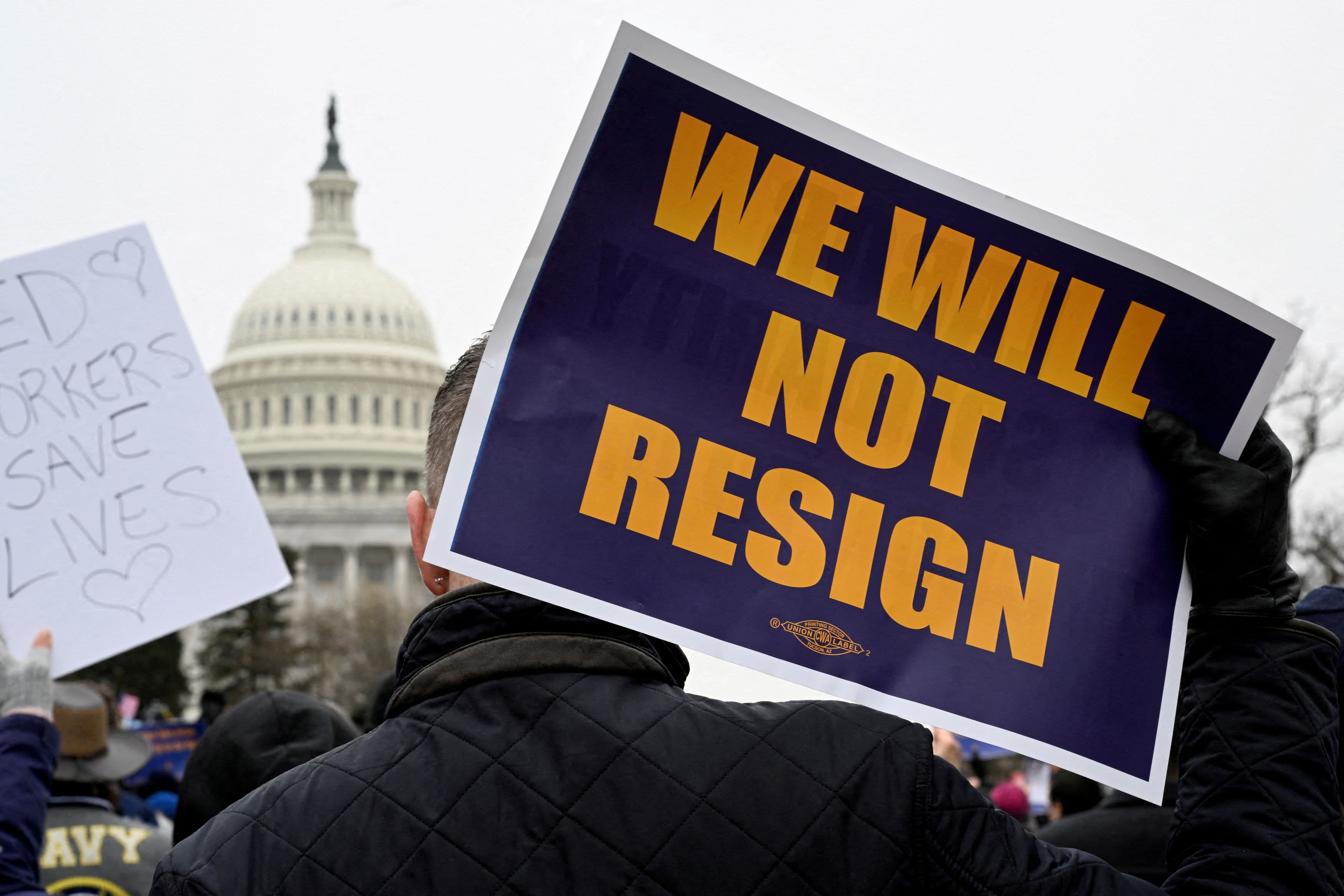
The abrupt decrease in the federal workforce under President Donald Trump is poised to reshape the retirement strategies of numerous Americans, particularly those from historically marginalized communities, such as Black Americans. The federal government has long been regarded as a bastion of job security, boasting appealing benefits, including a defined benefit retirement plan that has become increasingly rare in the private sector.
Doubt Clouds Future Federal Employment
However, recent layoffs, particularly those targeting employees in their initial probation periods, are prompting many potential job seekers to reconsider their aspirations. Janine Wiggins, founder of Resumes by Neen, a job coaching service for federal workers based in Alabama, notes a growing skepticism toward federal positions. “There’s a wave of uncertainty surrounding federal jobs due to the massive layoffs and a slew of executive orders. Before, clients sought federal roles for long-term stability; now, that perception is shaken,” Wiggins explained.
Masked Challenges for Minority Workers
The long-term effects of workforce reductions remain uncertain. Yet, certain minority groups might face disproportionate challenges, given the federal employee demographic trends. As of 2021, Black American workers constituted nearly 20% of the federal workforce, while their representation in the overall civilian workforce was about 13%, according to a U.S. Government Accountability Office report. Other groups, including Native Americans and individuals with disabilities, also experience higher representation within federal employment ranks.
A Personal Journey: Stability in Uncertain Times
Katrina Ayers, a 36-year-old African American mother of three from Mobile, Alabama, represents a reliable face of the federal workforce as a technician for the National Guard. For her, federal employment offered not just a job, but a sense of stability and essential health benefits. “Job security and health insurance were my main draws; it felt stable,” Ayers shared after nearly a decade in federal service. She also maintains private retirement accounts, acknowledging that some colleagues rely entirely on government programs.
Understanding Federal Retirement Programs
The federal retirement framework comprises three primary components: Social Security, a Thrift Savings Plan akin to a 401(k), and the Basic Benefit Plan, an annuity program. For those born in 1970 or later, the minimum retirement age for the annuity is 57. Workers qualifying for this program receive benefits calculated on their years of service and their highest average earnings over three consecutive years. However, unforeseen job loss can lead to diminished retirement payouts or the necessity to withdraw personal retirement funds prematurely.
The Financial Implications of Job Changes
The time it takes to secure new employment can significantly impact retirement savings. Craig Copeland, director of wealth benefits research at the Employee Benefit Research Institute, points out that job transitions might compel workers to access retirement funds that would typically remain untouched. Additionally, employees from lower-income backgrounds might face more financial obligations, making saving for retirement particularly tough. “Many wealthier Black and Hispanic individuals feel a strong sense of responsibility for supporting family members, which often takes precedence over personal savings,” Copeland explained.
A Growing Wealth Disparity
The wealth gap between Black and white Americans shows signs of widening, fueled by various factors, including limited access to the stock market, challenges in homeownership for Black families, and value depreciation of homes in minority-dominated communities. This disparity is likely to intensify as individuals age and approach retirement.
The Uncertain Road Ahead
The true scope of job cuts affecting federal workers is still being evaluated. Legal challenges are emerging against Elon Musk’s Department of Government Efficiency, which has been advocating for the layoffs. Recent developments, like the FDA’s decision to rehire personnel in its medical device division, hint that some terminated positions may soon need to be filled again.
A Resilient Outlook Amid Challenges
Ayers remains optimistic about her career in the federal government, though she acknowledges the potential need to pivot to the private sector. “I still plan to apply for new roles because I believe in advancing my career and want to remain in the federal space after investing so many years,” she stated, demonstrating a resilient spirit in an uncertain landscape.