Concerns over stagflation rise as the impact of Trump’s tariffs unfolds amidst economic slowdown.
Emerging Worries of Stagflation Surge as Trump's Tariffs Reshape the Economy During a Slump.
Category Classification: Fund
Is Stagflation Looming? Examining the Economic Landscape
The U.S. economy is currently navigating turbulent waters, as concerns over a potential resurgence in inflation arise alongside fears of stagnation. This troubling combination, reminiscent of the stagflation era that plagued the nation half a century ago, raises alarm bells for consumers, policymakers, and investors alike.
The Dual Economic Threat
President Trump’s aggressive tariff strategies could amplify economic pressures, with signs pointing toward a slowdown in economic activity. As a result, the specter of rising prices coupled with diminishing growth potential has triggered anxiety across various sectors. Investors have reacted by selling off stocks and flocking to bonds in a bid for safety.
The Modern Echoes of Stagflation
Mark Zandi, chief economist at Moody’s Analytics, articulates that the current trajectory shows signs characteristic of stagflation—higher inflation intertwined with declining growth spurred by governmental policies. Unlike the severe challenges of the 1970s and early ’80s, however, experts believe that the Federal Reserve will intervene to prevent a full-blown crisis.
Consumer Sentiment in Decline
Recent consumer sentiment surveys reveal concerning trends; inflation expectations are climbing to levels unseen in nearly three decades, while general consumer confidence approaches notable lows. Although income rates have surged, consumer spending has experienced a significant decline, creating an unsettling dichotomy.
Manufacturing Concerns and Economic Projections
A recent report from the Institute for Supply Management painted a bleak picture for February, showing minimal expansion in factory activity, with new orders plummeting and prices surging at unprecedented rates. The Atlanta Federal Reserve has responded by downgrading its growth forecast for the first quarter to an annualized decrease of 2.8%, raising alarms about the health of the economy.
The Federal Reserve’s Balancing Act
As market speculation increases regarding possible rate cuts by the Fed, Zandi warns that such moves could usher in a tightening of monetary policy rather than the anticipated relief. Drawing parallels to former Chairman Paul Volcker’s aggressive rate hikes in the early 1980s, he suggests that the Fed might prioritize combatting inflation over fostering growth if stagflation becomes a tangible concern.
Market Reaction to Economic Indicators
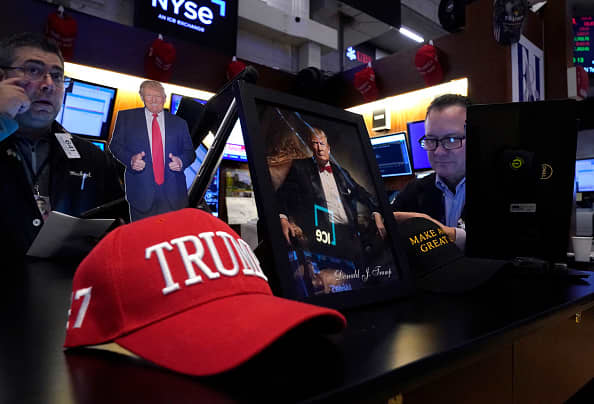
Wall Street has felt the impact of these economic developments, with the Dow Jones Industrial Average witnessing a downturn as fears escalate. However, not all market signals indicate panic; volatility indexes suggest that while caution is warranted, a comprehensive sell-off has yet to unfold.
Investor Sentiment vs. Economic Reality
In the realm of government sentiment, officials project confidence in the long-term benefits of tariffs aimed at reinforcing domestic manufacturing. Despite short-term market fluctuations, Commerce Secretary Howard Lutnick believes that a robust economy lies ahead. This viewpoint, however, is tempered by the acknowledgment that such transitions often come with unpredictable short-term consequences.
Upcoming Indicators to Watch
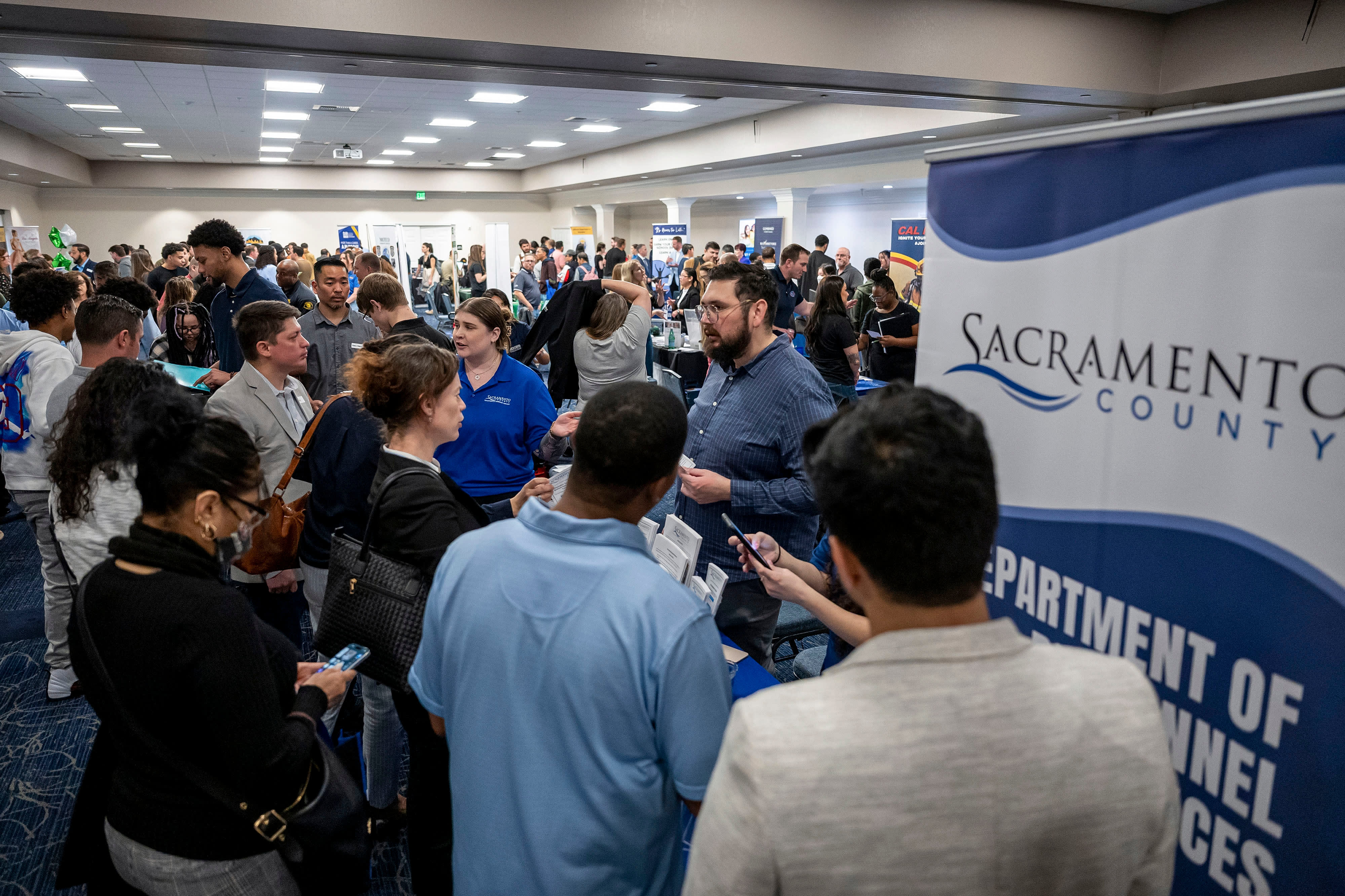
The forthcoming nonfarm payroll report will serve as a critical indicator of economic health, with potential implications for the labor market and inflation dynamics. Should the report demonstrate a softening job market while wages remain elevated, it could deepen concerns about stagflation.
Conclusion: Monitoring the Economic Landscape
As the specter of stagflation captivates economic observers, it remains essential to maintain a vigilant watch over emerging trends. While the situation is precarious, tackling the present challenges may help avert the dire outcomes reminiscent of past economic crises.