German inflation remains steady at a surprising 2.8% for February.
Germany's Inflation Holds Its Ground at a Surprising 2.8% for February: What This Means for the Economy
Category Classification: Fund
Germany's Inflation Snapshot: A Closer Look at February's Figures
In February, Germany’s annual inflation rate held steady at 2.8%, slightly above economists' expectations of 2.7%, as indicated by preliminary statistics released by Destatis on Friday. This rate, harmonized for comparison across the eurozone, remains unchanged from January’s rise, which also recorded a rate of 2.8%.
Monthly Trends and Core Inflation Insights
On a monthly scale, inflation saw an increase of 0.6% based on the latest data. Notably, core inflation—which excludes volatile food and energy prices—registered a drop to 2.6%, down from 2.9% in January. Deutsche Bank Research economist, Sebastian Becker, heralded this decrease in core inflation as a positive sign, anticipating further declines as wage growth stabilizes and the overall economy continues to show softness.
Services Inflation: A Mixed Bag
Services inflation also saw a reduction, coming in at 3.8% in February after reaching 4% the prior month. However, Becker characterized this reduction as a “drop of bitterness,” since it was less significant than many had hoped. Despite these fluctuations, inflation figures have remained above the European Central Bank's 2% target since last September.
What Lies Ahead for the Eurozone?
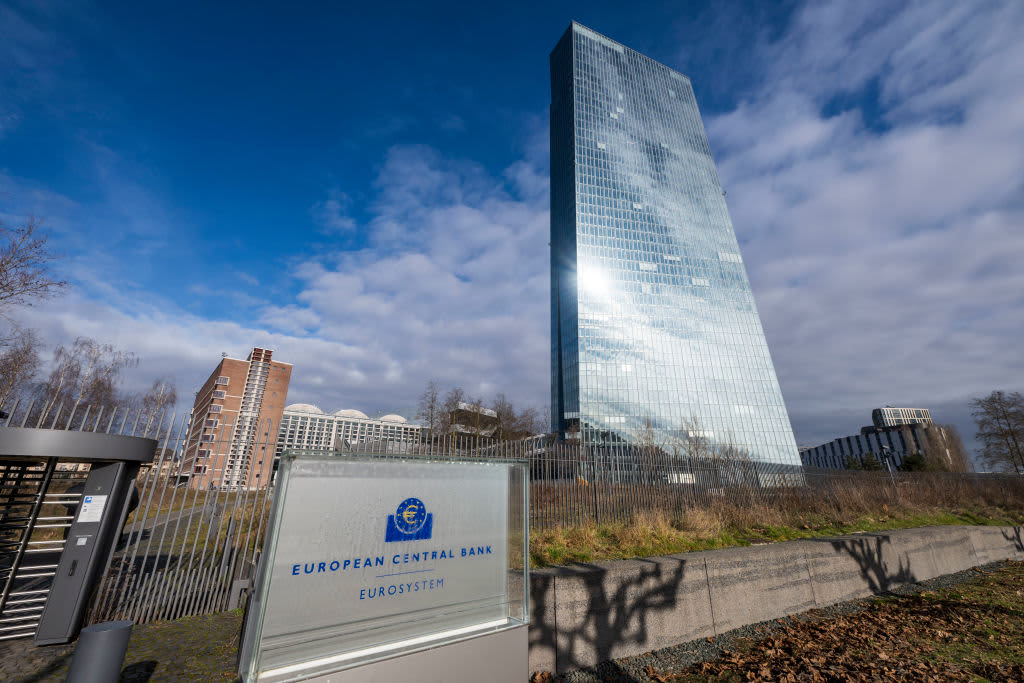
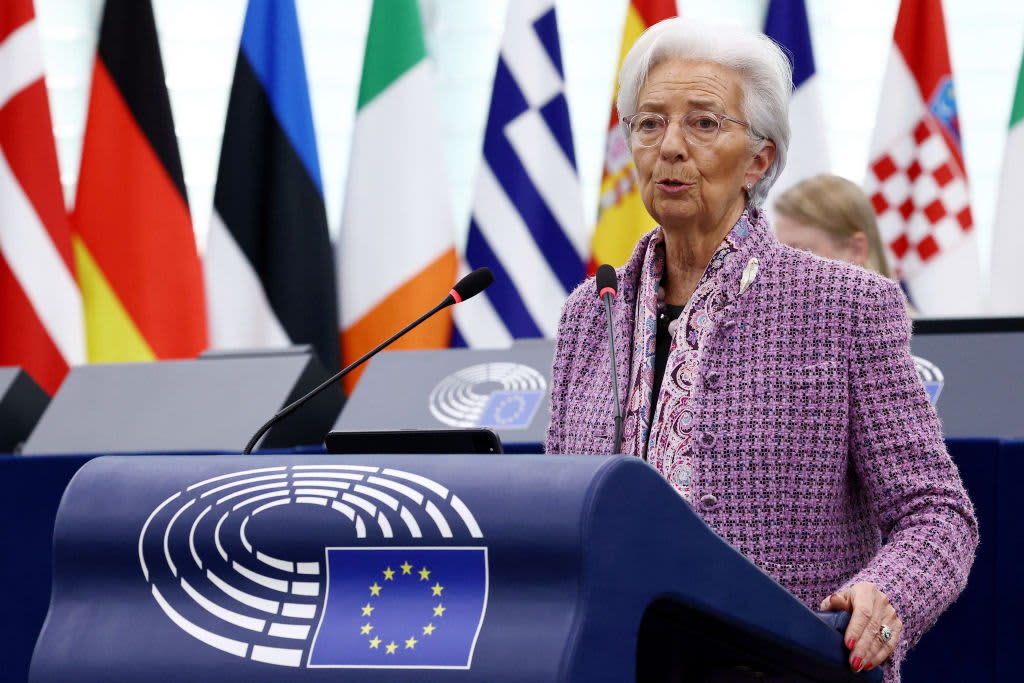
The release of this inflation data precedes the consumer price index results for the eurozone on Monday and the European Central Bank's (ECB) policy decision next week. Markets are anticipating further interest rate cuts, with the ECB having previously lowered rates five times since last summer.
Political Backdrop and Economic Stakes
The recent inflation figures arrive soon after last weekend’s German elections, which positioned the conservative coalition of the Christian Democratic Union and the Christian Social Union to potentially take over leadership from Olaf Scholz, with Friedrich Merz as their candidate for chancellor. Merz has proposed a suite of economic reforms—ranging from tax reductions to deregulation—that he argues will invigorate a sluggish economy struggling near recession levels. According to Destatis, Germany's gross domestic product contracted by 0.2% in the final quarter of 2024, highlighting the urgency of addressing economic weaknesses.