Executives are ready to transfer increased tariff expenses onto consumers, according to an economist from EY-Parthenon.
Businesses Brace for Impact: Execs Set to Pass Rising Tariff Costs onto Shoppers, Warns EY-Parthenon Economist
Category Classification: Fund

Consumers Brace for Price Hikes Amid Tariff Pressure
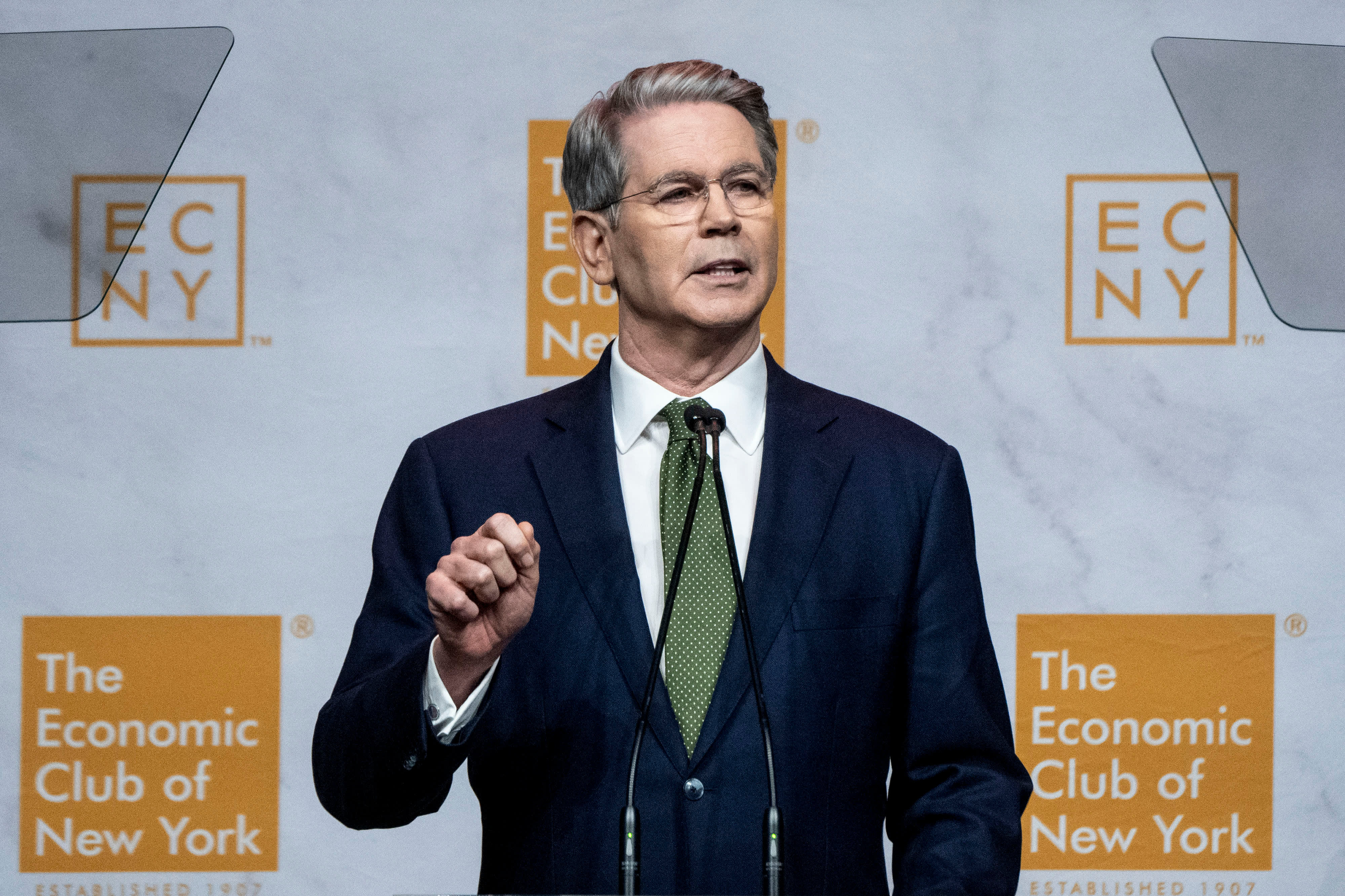
As the business landscape evolves, consumers should prepare for a surge in prices, with many companies set to pass on the escalating costs stemming from tariffs, warns Gregory Daco, the chief economist at EY-Parthenon.
Executives Prepare to Shift Costs to Shoppers
Recent data from an EY survey involving 4,000 executives reveals that nearly half are ready to transfer approximately 67% of the increased tariff costs directly to consumers. Alarmingly, more than 30% of those surveyed are willing to hand over more than 90% of these added expenses to shoppers, indicating a strong shift in pricing strategies as businesses grapple with rising input costs.
Impacts of New Tariffs on Consumer Goods
The landscape is particularly charged following the implementation of a 25% tariff on imports from Canada and Mexico and an additional 10% on Chinese goods. Target's CEO, Brian Cornell, forecasted that these tariffs could lead to noticeable increases in produce prices, underscoring the tangible impacts on everyday consumers.
Rapid Trade War Developments Challenge Economists
Experts like Daco highlight that the rapid progression of trade disputes under the Trump administration is unprecedented, unfolding at a pace faster than previously anticipated. His projections indicate that tariffs could reduce the U.S. gross domestic product by about 0.6%, assuming significant tariffs are levied on Chinese goods and a modest tariff rate on imports from other countries.
Uncertainty Chills Business Confidence
Even a temporary imposition of tariffs could have lasting effects on business confidence, as the uncertainty surrounding trade policies discourages economic activity. Daco points out that companies are not waiting to see when future tariffs may hit; they are proactively shoring up their defenses by boosting inventory and exploring alternative supply chains, all of which incurs additional costs and adds to inflationary pressures.
Sector-Specific Tariffs Create Delayed Effects
Daco notes that targeted tariffs can be acutely painful for specific sectors, yet their consequences may take time to fully materialize for consumers. Industries such as automotive, construction, and steel may have some stockpiled inventory that can temporarily stave off immediate price hikes. Nonetheless, consumers will soon start noticing increased costs for various products, from vehicles to home appliances.
Long-Term Pricing Stability Remains in Question
Even if tariffs are swiftly lifted, Daco anticipates that elevated price levels will remain stubbornly higher. He remarks, "While it's possible that tariffs may be reduced, that doesn’t mean the negative effects will disappear," indicating a complex financial landscape ahead for consumers facing these economic headwinds.