Treasury Secretary Bessent asserts that the American dream transcends merely having access to inexpensive products.
Treasury Secretary Bessent emphasizes that achieving the American dream goes far beyond mere affordability—it's about unlocking true opportunity for all.
Category Classification: Fund
A Bold Stand on Trade: Treasury Secretary Bessent's Vision for America
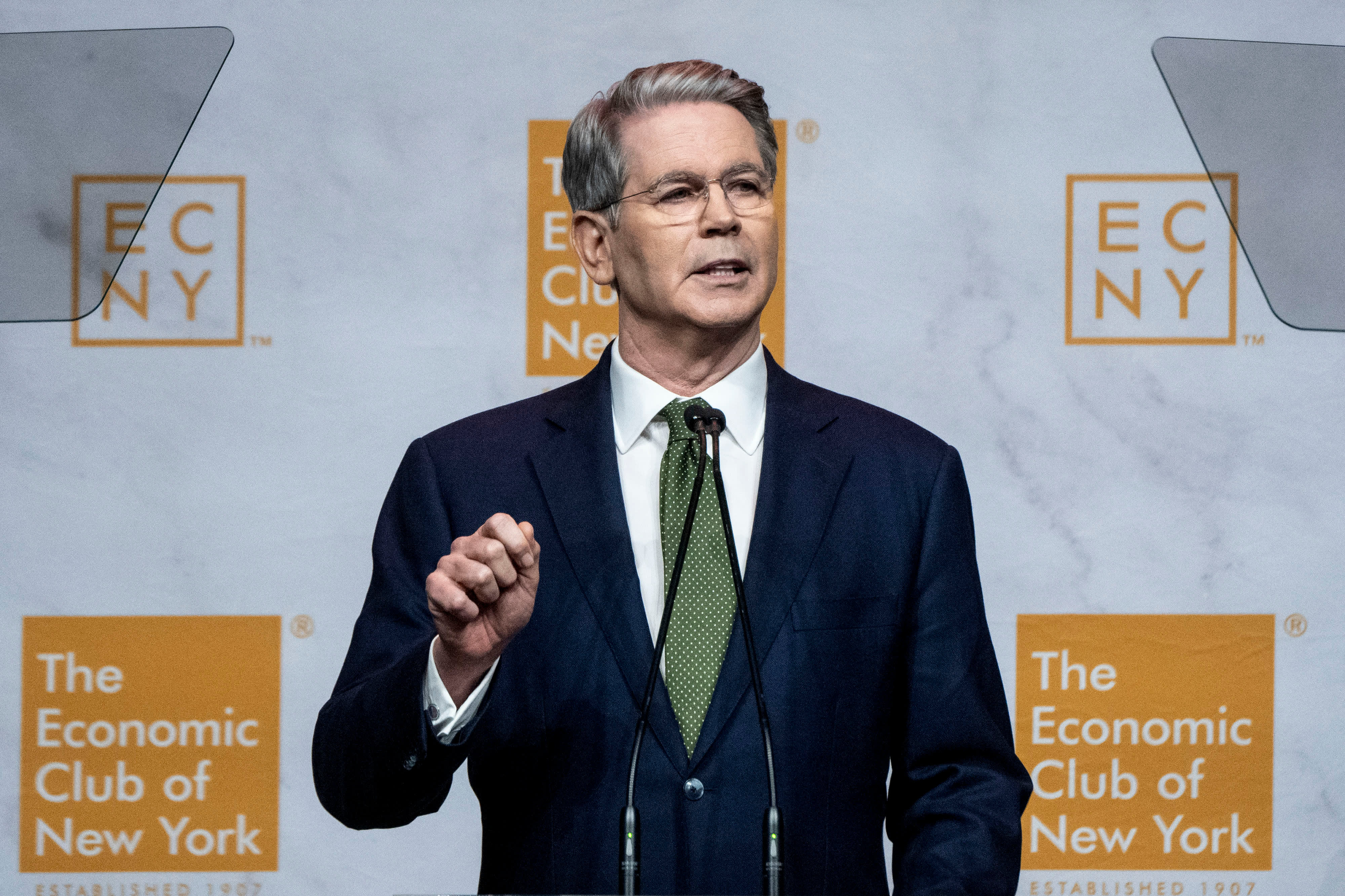
In an emphatic address at the Economic Club of New York, Treasury Secretary Scott Bessent passionately defended the administration's tariff stance, emphasizing that American trade policy should transcend merely obtaining cheaper goods from foreign markets. "Access to affordable products does not embody the American dream," he proclaimed, underscoring the belief that true prosperity lies in the ability of every citizen to attain economic security and upward mobility. He lamented that the architects of international trade agreements have strayed from this fundamental principle for far too long.
The Market’s Reaction: Uncertainty Amidst Tariff Talks
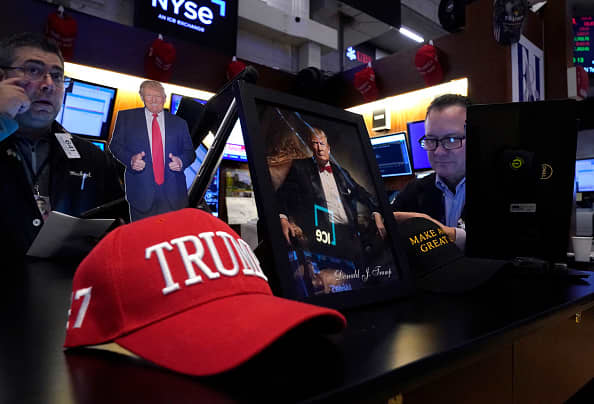
As Bessent spoke, the financial markets reacted with unease, showing a significant decline in stock prices, despite reports of progress regarding trade with Mexico. His remarks illustrated the administration's readiness to implement strong actions to reach its trade objectives, reinforcing President Donald Trump’s "America First" trade policy. “If the practices of other nations adversely impact our economy and citizens, we will take a stand,” Bessent stated assertively.
Trade Deficits and Economic Health: A Call to Action
Earlier data from the Commerce Department highlighted the widening trade gap, reaching a staggering $131.4 billion in January—a 34% jump compared to the previous month and almost double year-over-year. “This system is not sustainable,” Bessent warned, expressing concerns over the future of U.S. commerce in light of this imbalance.
Concerns Over Inflation and Growth: A Mixed Bag
Amid apprehensions that Trump’s tariffs could lead to inflated costs and hinder economic growth, White House officials maintain that tariffs had a minimal impact on inflation during the President's first term. Bessent asserted that reshoring could enhance growth as businesses seek to dodge tariffs. “In the bigger picture, inflation isn't a primary concern for me,” he claimed, while outlining three key advantages of tariffs: generating revenue amidst massive fiscal deficits, safeguarding domestic industries from unfair international competition, and serving as a crucial tool in negotiations.
Fiscal Responsibility: Urgency for Change
The discussion also delved into the pressing issues of deregulation and the staggering national debt. Bessent highlighted the government's alarming $840 billion deficit after just four months of fiscal 2025, a figure representing over 6% of the GDP—a scenario rarely seen during peacetime. "This is our last chance to establish fiscal discipline," he emphasized, urging a collective commitment to tackle these financial challenges.
Revisiting Bank Regulations: A Focus on Smaller Institutions
Beyond tariffs, Bessent advocated for a thorough reassessment of banking regulations, particularly emphasizing the burdens faced by smaller banks. He argued that many of the existing rules fail to enhance safety and instead complicate operations. As Bessent concluded his remarks, the market continued its descent, but he remained optimistic about the ongoing success of Wall Street, contrasting it with the administration's commitment to support Main Street America.