European Central Bank reduces interest rates once more, indicating that its policy is increasingly 'less limiting'.
Eurozone Eases Financial Strains: ECB Cuts Rates Again, Signaling a Shift Towards Greater Flexibility
Category Classification: Fund
ECB Slashes Interest Rates: A New Era of Monetary Policy Begins
In a significant move that has captured the attention of economists and market players alike, the European Central Bank (ECB) has decided to lower interest rates by 25 basis points, pushing the deposit facility rate down to a notable 2.5%. This decision signals a shift in monetary policy, which is now described as “meaningfully less restrictive,” a phrase that stands out from the more cautious language used in previous months.
Consensus Reached Among ECB Leaders
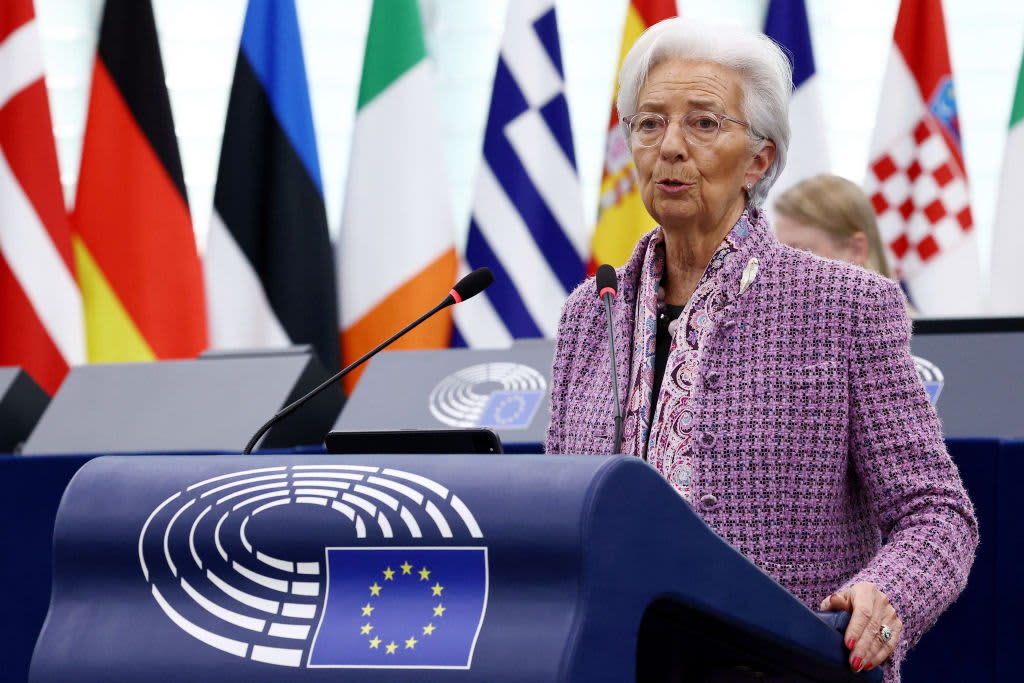
Following the announcement, ECB President Christine Lagarde emphasized that the decision was the result of thorough discussions, with consensus reached among the members of the Governing Council, except for one abstention. Lagarde remarked on the positive effects of the rate cuts, stating that they were making borrowing easier for businesses and households, thereby stimulating loan growth.
Interpretation of New Policy Agendas
This fresh wording represents a notable pivot from the ECB's stance earlier this year, when its policy was still deemed “restrictive.” Market analysts were quick to interpret this change as a more hawkish approach. Capital Economics' Jack Allen-Reynolds noted that policymakers appear increasingly hesitant to pursue further rate cuts.
Future Rate Cuts and Economic Predictions
Market analysts from Morgan Stanley forecast that given the shift in communication style, we should anticipate more rate reductions, especially during the ECB meetings in April and June. However, they also hinted at a potential pause in the summer, suggesting that the ECB is approaching these decisions with caution.
Market Reactions and Financial Indicators
By early afternoon in London, the euro had strengthened by 0.34% against the U.S. dollar. Concurrently, yields on Eurozone government bonds were rising, continuing a trend initiated by a broader global bond sell-off. The German 10-year bond yield, in particular, surged more than nine basis points following the ECB's announcement.
Economic Growth and Inflation Trends
The backdrop for this policy adjustment has been tepid economic growth within the Eurozone, compounded by uncertainties surrounding potential tariffs on European imports to the U.S. Despite a modest uptick in inflation rates in recent months, the overall Eurozone inflation remains below the 3% threshold. Recent figures indicated a decrease to 2.4% in February, though core inflation rates showed signs of resilience.
Revised Economic Forecasts
Alongside the interest rate adjustment, the ECB also updated its economic forecasts, projecting that headline inflation will hover around 2.3% in 2025 and drop to 1.9% in 2026. The expectations for economic growth, however, have been downgraded, anticipating only 0.9% growth in 2025, likely influenced by subdued exports and additional investment constraints.
Impact of Global Trade and Geopolitical Tensions
The decision comes at a turbulent time in international relations, particularly as U.S. President Donald Trump has been vocal about potential tariffs on European goods. Lagarde acknowledged risks to growth stemming from such trade conflicts and broader geopolitical concerns, including the ongoing war in Ukraine.
Looking to the Future
As European nations consider enhancing their defense budgets in response to changing global dynamics, Lagarde has indicated that these policies could bolster economic growth. However, she stressed the importance of remaining data-driven, saying the ECB will adapt its monetary policy based on forthcoming economic data rather than making premature commitments. This approach underscores the central bank’s dedication to navigating an unpredictable economic landscape with caution and foresight.