Beginning the day with a nutritious breakfast is increasingly turning into an expensive indulgence.
Kickstart Your Morning: Why Healthy Breakfasts Are Becoming a Costly Luxury
Category Classification: Fund

The Coffee and Egg Price Dilemma: A Breakfast Crisis Unfolds
In a surprising turn of events, Alicia Love, co-owner of the Tarrytown, New York-based Coffee Labs Roasters, has found herself navigating an unprecedented spike in coffee prices. Normally, Love enters into a yearly agreement with her coffee supplier to secure premium beans at a competitive price. However, last year, anticipating high prices, she decided to hold off on signing a new contract. Little did she know that prices would continue to soar, eventually leading her to secure only a three-month supply at a steep increase of about $5 per bag, compared to the previous cost of $4. “I really regret not locking in my deal sooner,” she lamented during a conversation with CNBC.
Egg Prices Soar: A Household Staple Under Pressure
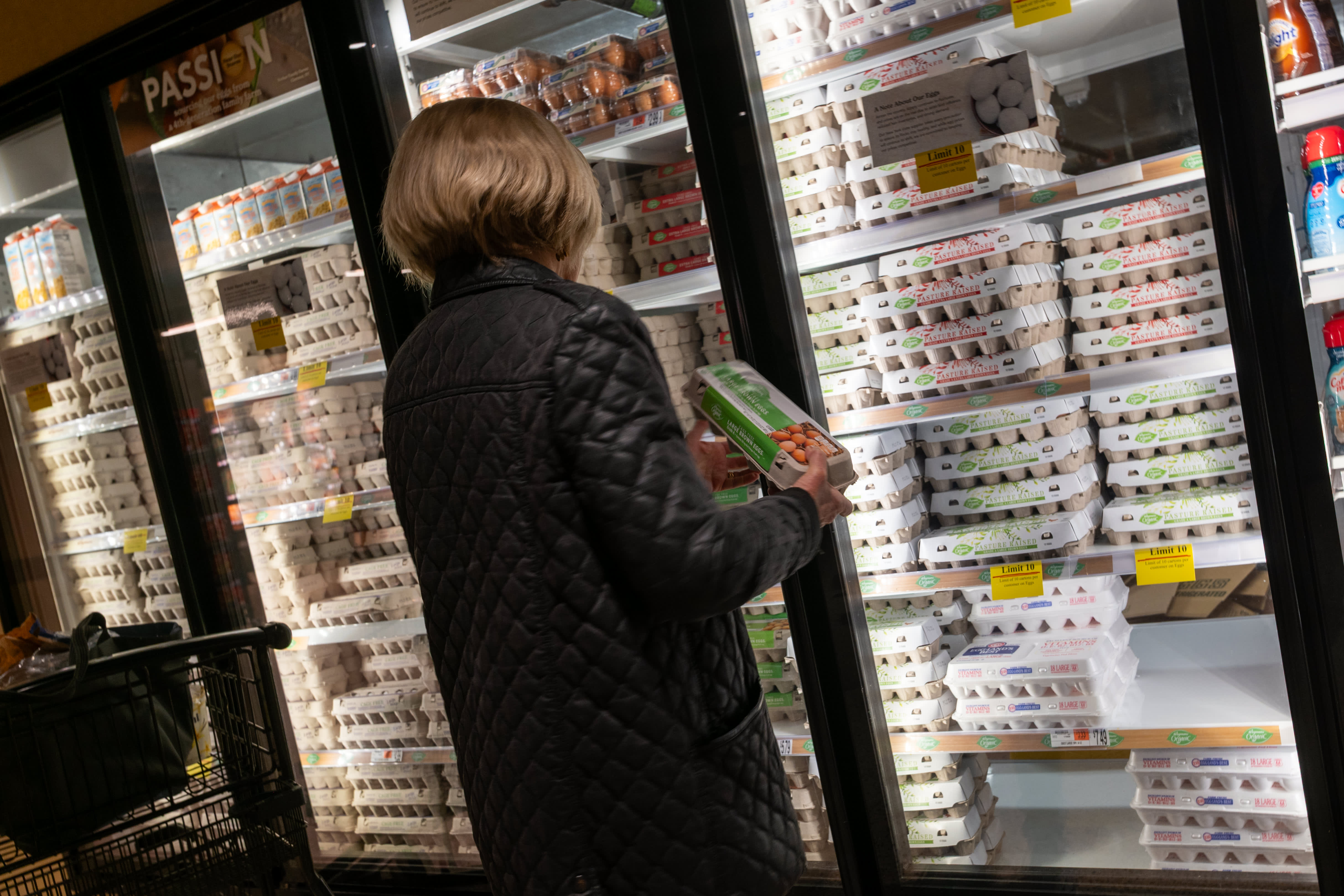
The situation mirrors that of the egg market, another cornerstone of the American breakfast plate. The Bureau of Labor Statistics recently reported a staggering 53% year-on-year increase in egg prices, with a rapid 15% surge just from December to January. By the beginning of March, the cost for a dozen eggs rocketed above $8, driven largely by a catastrophic avian flu outbreak that has decimated hen populations. The Wall Street Journal revealed that the Department of Justice has initiated an investigation into potential antitrust issues intensifying the crisis. Consumers are now adapting their purchasing habits as breakfast essentials become increasingly unaffordable.
The Volatile Market: Challenges Ahead for Consumers and Businesses
The rising prices of coffee and eggs have created a volatile atmosphere for businesses and consumers alike. Andrew Blyth, coffee trading operations manager at Royal New York, expressed concerns regarding the unstable pricing environment, stating, “It’s difficult for consumers to keep up with rapidly changing menu prices, especially for a daily ritual like coffee.” Meanwhile, consumer sentiment has taken a downturn, with Morgan Stanley reporting its first negative reading since June 2024. This follows the University of Michigan's survey indicating growing expectations of inflation among consumers.
The Shift in Breakfast Habits: A Move Towards Simplicity
In light of these challenges, Americans are reevaluating their breakfast choices. According to Robert Byrne, senior director of consumer research at Technomic, “Budget constraints have placed pressure on family-style restaurants like IHOP and Denny's.” As families become more cost-conscious, skipping breakfast or opting for homemade alternatives is becoming the easier choice. A recent survey revealed that consumers are utilizing food service for breakfast about 1.2 times a week on average, showing a trend towards minimizing costs.
Restaurant Profits Under Pressure: A Struggle for Stability
Restaurants are increasingly grappling with these economic pressures. Dine Brands, the parent company of IHOP, has witnessed a decline in its stock value by over 13% this year. Their Chief Financial Officer, Vance Chang, remarked that the primary drivers of inflation are eggs and coffee, leading the company to forecast modest same-store sales for the coming fiscal year. Similarly, Waffle House and Denny's have begun implementing surcharges on egg-containing menu items to soften the blow for consumers, while McDonald's has avoided direct price hikes.
Potential Tariffs: A New Layer of Complexity
As if the situation couldn't get trickier, proposed tariffs could add even more strain on coffee prices. Love mentioned that decaffeinated coffee, which often crosses the U.S.-Canada border for processing, could be affected if tariffs are enacted. “This will undoubtedly lead to higher prices for consumers,” she warned. Blyth remains uncertain about the tariffs' exact impact, hoping for more clarity soon, but acknowledges that the unpredictability continues to loom over the coffee market.
In summary, the perfect storm of rising coffee and egg prices is reshaping consumer behaviors and challenging the restaurant industry. As families grapple with rising costs, the breakfast dynamic is increasingly in flux, highlighting the need for adaptability in both consumption and business strategies.