Economists caution that Trump embodies disorder and unpredictability, but a recession in the U.S. is not imminent.
While Trump's Turbulent Leadership Raises Red Flags, Experts Believe a U.S. Recession is Still a Distant Concern
Category Classification: Fund
Market Unrest: The Uncertain Path Ahead for the U.S. Economy
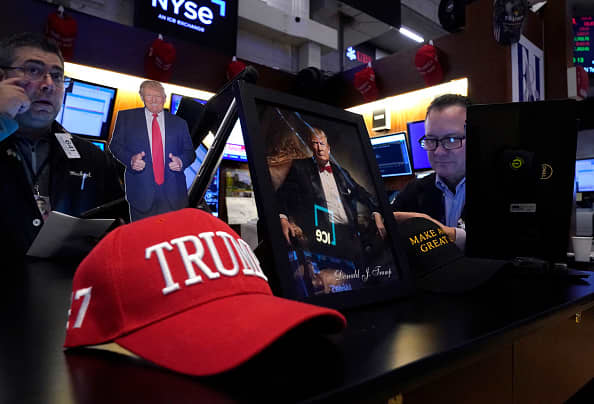
The global financial scene is teetering on the edge, especially with the tumultuous return of former President Donald Trump to the helm. While some analysts predict the U.S. economy might face a recession, experts insist that immediate concerns of economic decline may be premature.
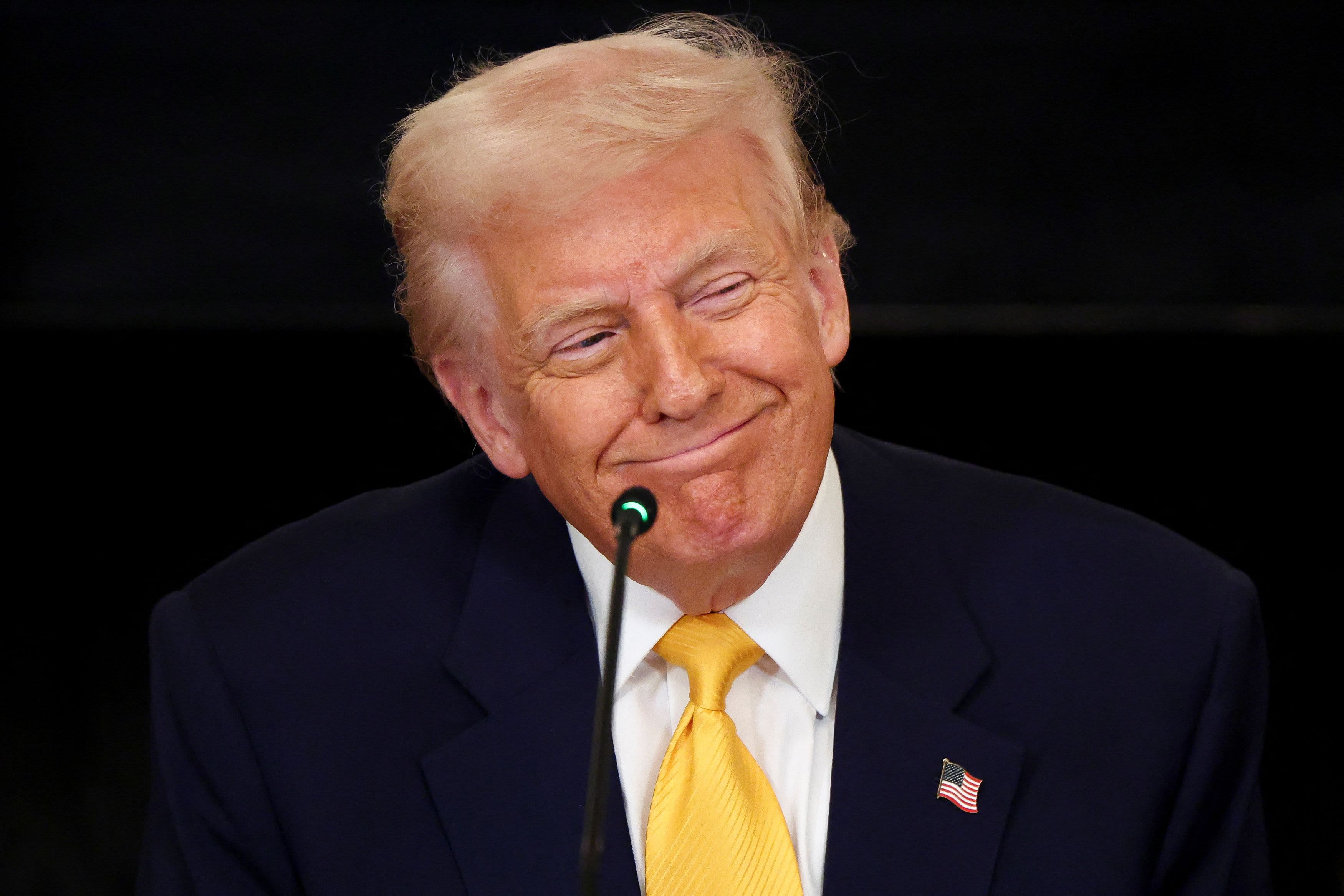
"I don't foresee discussions of a recession in the U.S.," noted Holger Schmieding, chief economist at Berenberg Bank, during a recent segment on CNBC's "Squawk Box Europe." He attributed the economy’s resilience largely to factors independent of Trump's policies, despite describing the president as an "agent of chaos."
Consumer Spending: A Bright Spot Amid the Turmoil
Despite the chaotic backdrop of Trump's unpredictable tariff strategies, Schmieding pointed out that American consumers still possess disposable income which they are likely to spend. The labor market remains relatively stable, with dropping energy costs and possible tax cuts on the horizon. "Currently, I do not perceive an imminent risk of recession," he added.
However, he warned of long-term impacts, suggesting that Trump's administration could hinder U.S. growth beyond 2026, leading to increased costs for American households. Consequently, Schmieding believes the Federal Reserve would have little reason to lower interest rates during Trump's presidency.
Global Markets on Edge: The Impact of Tariff Announcements
The international financial markets have been in a state of disarray following Trump's hardline import tariffs on key trading partners, including China, Mexico, and Canada. This has ignited fears of a potential global trade war, causing significant volatility in U.S. indexes as they fluctuate in response to conflicting tariff announcements.
Following a recent surprise decision to postpone some tariffs, analysts expect ongoing uncertainty to plague market sentiments. U.S. stock futures fell ahead of Monday’s trading, hinting at another challenging week for investors.
The Long-Term Risks: Inflation and Economic Growth Threats
Prominent business leaders and economists caution that tariffs can heighten inflationary pressures, ultimately leading to higher costs for American consumers. They fear that reduced investment, job losses, and declining economic growth might force consumers to tighten their budgets during this unpredictable period, risking a “stagflation” scenario marked by rising prices and stagnating employment.
The Federal Reserve may feel compelled to maintain interest rates rather than implementing cuts to stimulate growth. Chairman Jerome Powell recently stated that the central bank plans to keep an eye on how Trump's economic policies unfold before deciding on any interest rate adjustments.
A Transitional Period: Economic Data Raises Questions
Recent reports revealed a dip in consumer confidence for February, which may prove concerning for the Trump administration. The Federal Reserve Bank of Atlanta's GDPNow tracker indicated a potential GDP contraction of 2.4% for the early months of the year, raising alarms that a technical recession could be on the horizon.
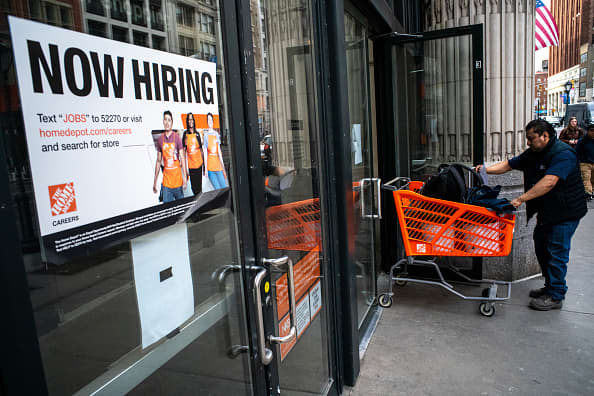
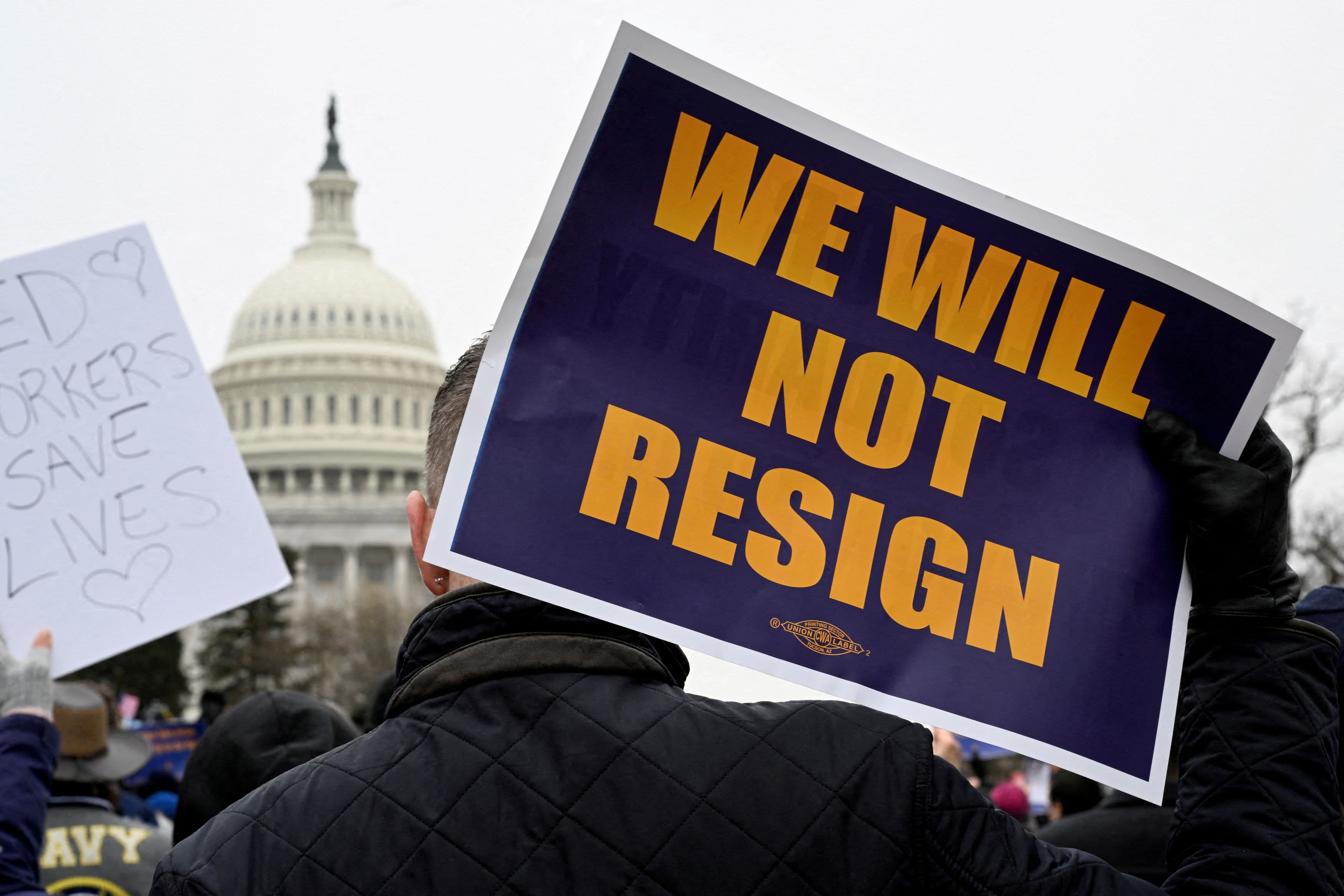
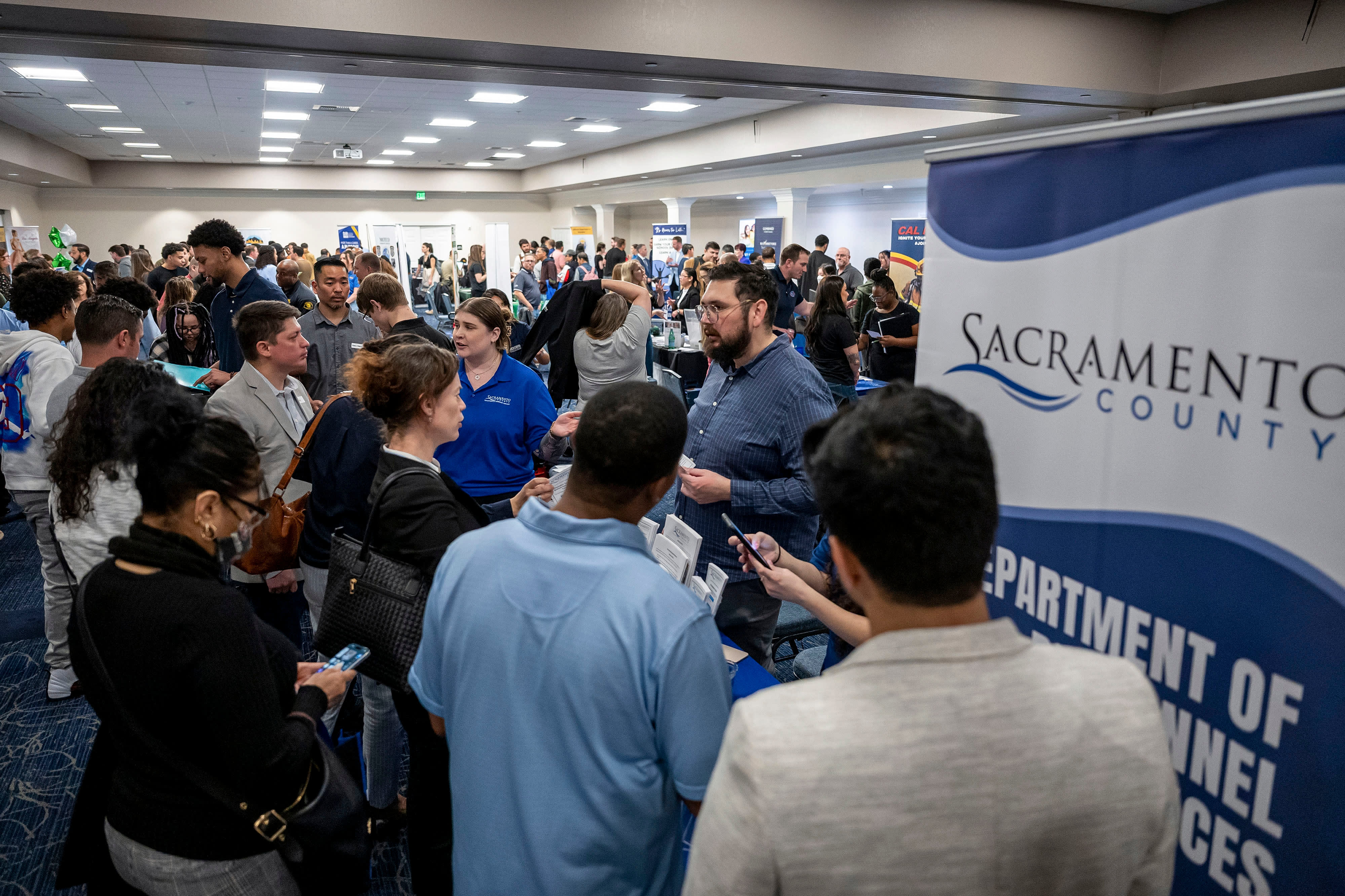
While recent job reports show continued growth in the U.S. labor market, there are hints of emerging weaknesses. Though nonfarm payrolls showed an increase of 151,000 jobs in February, this fell short of predictions, suggesting underlying vulnerabilities are surfacing amid Trump's efforts to trim the federal workforce.
President Trump Acknowledges the Challenges Ahead
While Trump has not dismissed the notion of a recession occurring this year, he has characterized the current economic climate as a "period of transition." He acknowledged on a recent news program that his tariff policies might affect growth, emphasizing the significance of "bringing wealth back to America" and the time required to achieve this goal.
Increasing Concerns Over Economic Uncertainty
JPMorgan's U.S. Market Intelligence team weighed in, stating that the economy is entering yet another "period of uncertainty" driven by the unpredictable nature of Trump's tariffs. They expressed a cautious stance on U.S. stocks, predicting more volatility and potential contractions in growth.
Furthermore, analysts noted that prolonged tariff uncertainties could adversely affect not only the U.S. economy but also push Canada and Mexico towards recession. As expectations for GDP growth dim, analysts anticipate a reevaluation of year-end financial forecasts.