Trump anticipates a period of economic transition: 'Monitoring the stock market isn't feasible'
Trump Foresees Economic Shift: 'Keeping an Eye on the Stock Market is Unrealistic'
Category Classification: Fund
Trump's Optimistic Outlook Amid Economic Concerns
In recent days, President Donald Trump and key members of his administration have been preparing the American public for a possible economic slowdown, which they believe will pave the way for a robust recovery. With anxieties surrounding potential tariffs, a cooling labor market, and indicators suggesting that the economy could contract in the upcoming quarter, the president and his aides are projecting a cautiously optimistic perspective, despite acknowledging imminent challenges.
Transitioning to Prosperity
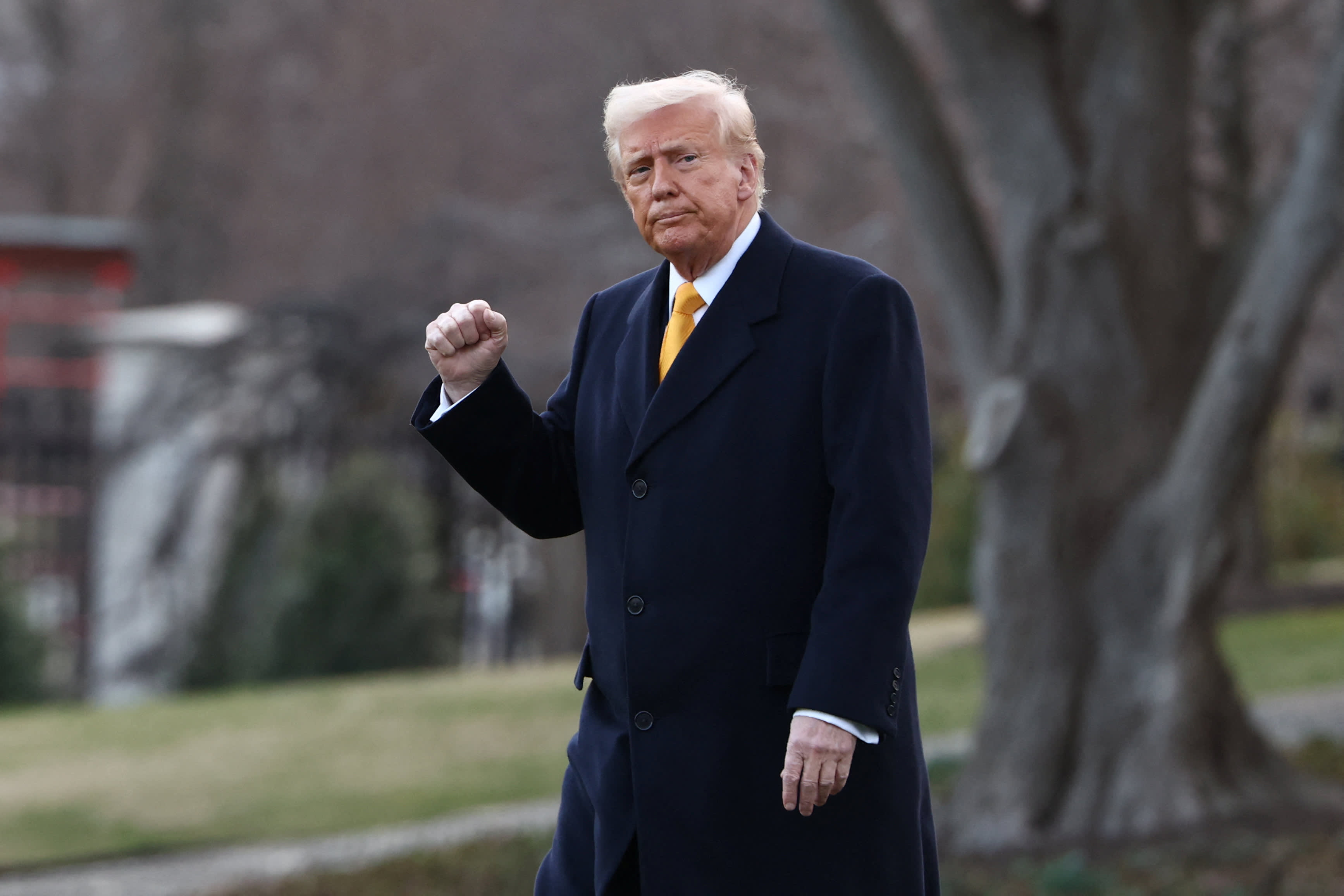
During an appearance on Fox News's “Sunday Morning Futures,” Trump emphasized the significance of the changes underway. “There is a period of transition because what we’re doing is very big,” he asserted. “We’re bringing wealth back to America, and that’s substantial. It may take some time, but I believe it will ultimately benefit us.” When pressed about the possibility of an imminent recession, Trump replied, “I dislike making predictions like that,” later adding, “We are prepared for some disruption, but we are fine with that.”
Market Fluctuations and Economic Signals
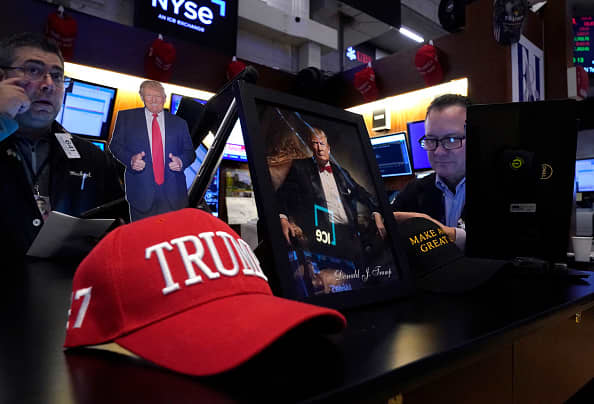
Currently, the markets are experiencing volatile swings, responding to daily news updates. Major stock indices fell once more on Monday, with the latest assurances from the White House failing to soothe investor anxiety. In contrast to his previous tenure, where Wall Street's performance was a key measure of success, Trump has downplayed its relevance this time. “My primary focus is on building a strong nation,” he explained. “You can't fully rely on stock market trends.”
A Call for Economic Detox
A prevailing narrative from the administration suggests that any downturn or contraction stems from the policies of Trump’s predecessor, Joe Biden, particularly those tied to heavy stimulus spending and national debt. Treasury Secretary Scott Bessent advocated for a “rebalancing” of the economy, moving away from reliance on expansive monetary and fiscal policies. “As we shift focus from public to private expenditure, a natural adjustment will occur,” Bessent stated on CNBC. “Our economy has become dependent on government spending, and a detox period is necessary.”
Potential Economic Contraction Ahead
The latest data from the Atlanta Federal Reserve indicates a 2.4% decline in GDP growth for the first quarter. Should this trend persist, it would mark the first quarterly contraction in three years, reflecting the most significant downturn since the onset of the Covid pandemic. Kevin Hassett, director of the National Economic Council, characterized the GDPNow projection as a consequence of President Biden’s policies, calling it a “very temporary phenomenon.” He expressed confidence in a brighter economic outlook moving forward, despite acknowledging the current hiccups.
Concerning Trends in Consumer Spending
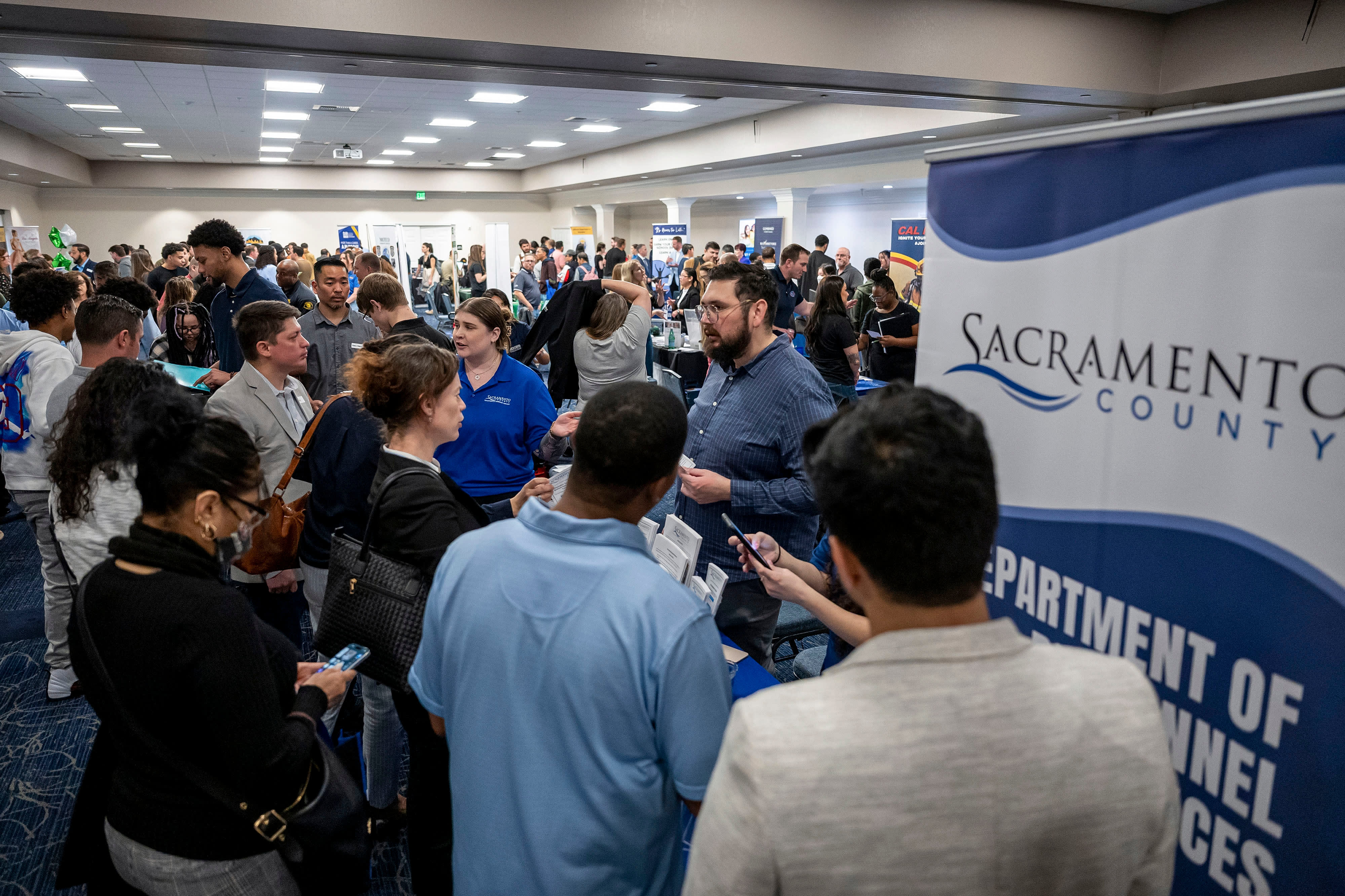
One major factor weighing on the Fed’s economic model was a record trade deficit of $131.4 billion in January, partly due to increased gold imports and businesses stockpiling in anticipation of tariffs. However, growing concerns regarding consumer spending—especially following a decline in January—have emerged. Consumer activity accounts for over two-thirds of GDP, making any further drop a significant concern. Additionally, although payroll numbers appeared strong in February, underlying issues were evident. The unemployment rate increased slightly to 4.1%, while the broader measure of unemployment, which includes discouraged and underemployed workers, climbed to 8%, the highest since October 2021.
Job Market Challenges
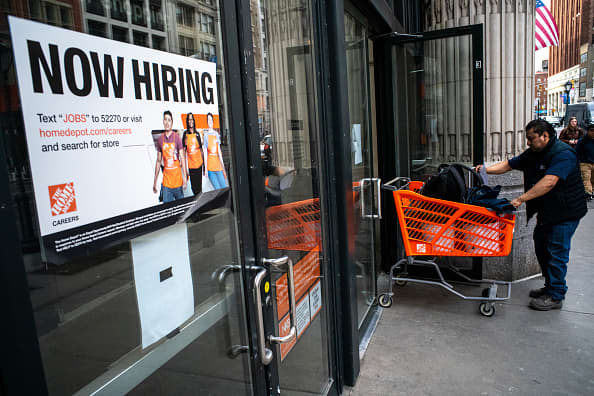
The uptick in the so-called real unemployment rate coincided with a 10% rise in part-time workers seeking full-time employment, as many cited insufficient hours or poor business conditions. This further exacerbates worries about the labor market's health as the number of full-time workers fell by 1.2 million, while part-time roles increased by 610,000. Market analyst Jim Paulsen conveyed that the labor market is nearing a critical juncture, suggesting that rising stress signals could ignite recession fears among investors.
Future Economic Projections
Despite the current challenges, most economists on Wall Street do not foresee an impending recession. For example, Goldman Sachs recently lowered its GDP forecast for 2025 to 1.7%, while slightly increasing the one-year recession probability to 20%. Officials within the Trump administration maintain that the ongoing economic fluctuations, including tariff-related uncertainties, are part of a broader strategic vision. Trump reiterated, “We’re establishing a remarkable foundation for future growth.”